Inverter Generator vs Conventional Generator: Which Is Better? (November 2026)
Choose an inverter generator for RV, camping or any load with electronics; choose a conventional generator when you need the most watts for the money and clean power is not the priority. The inverter generator vs conventional generator call comes down to what you plug in, how close the neighbors are and how often you'll move it.
On this page (10 sections)
- Inverter vs conventional generator at a glance
- Power quality: which type is safe for electronics?
- Noise: how loud is each type in camp or at home?
- Fuel use and run time: which sips less gas?
- Weight and portability: what can you actually move?
- Cost and wattage: what does each type buy you?
- Which should you buy for an RV or campsite?
- Which should you buy for home backup?
- Who should buy which type?
- The verdict: which generator wins for most people?
Choose an inverter generator for RV trips, camping or any load with electronics; choose a conventional generator when you need the most watts for the money. That is the short answer to the inverter generator vs conventional generator question, and the rest of this guide shows where each type earns its keep.
An inverter generator cleans and stabilizes the power it produces. A conventional generator runs at a fixed speed and sends power straight to the outlets.
That single design difference drives the noise, fuel use, weight and price gap between the two.
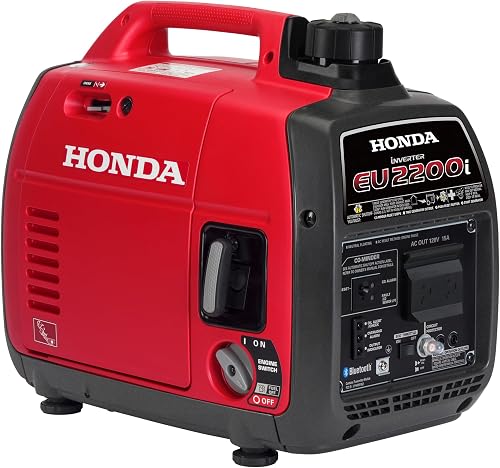 Best for quiet RV and camping power
Honda EU2200i 2200 Watt Inverter Generator
 Best for whole-home backup
Westinghouse 14500 Peak Watt Tri-Fuel Home Backup
Inverter vs conventional generator at a glance
The inverter wins on power quality, noise and fuel use at light loads; the conventional unit wins on raw wattage per dollar. Neither type is better in every case, so match the design to the job.
Inverters pass the engine's output through electronics that rebuild a clean sine wave. That is why the Honda EU2200i can safely charge a laptop or run a computer.
Conventional units skip that stage, so their power quality varies by model.
The table below puts the four picks side by side on the points that decide most purchases.
| Product | Best for | Output | Noise | Weight | Our score |
|---|---|---|---|---|---|
| Honda EU2200i 2200 Watt Inverter Generator | quiet RV and camping power | 2200 watts | 48 to 57 dB(A) | About 47 lb | 9.4 |
| Westinghouse 14500 Peak Watt Tri-Fuel Home Backup | whole-home backup | 11,500 running watts | 230 lb | 9.2 | |
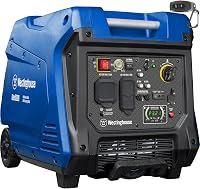
| Westinghouse iGen4500 5000W Inverter | travel trailers | 3900 rated watts | As low as 52 dBA | 104.7 lb | 8.9 |
| WEN Super Quiet 2350W Inverter | budget campsites | 1900 rated watts | 51 dB at quarter load | 39 lb | 8.2 |
Power quality: which type is safe for electronics?
An inverter generator is the safer choice for laptops, TVs, phones and anything with a circuit board. Conventional generators can deliver usable power too, but only when the model is rated for low distortion.
An inverter's electronics smooth voltage and frequency swings into a steady sine wave. The Westinghouse iGen4500 keeps total harmonic distortion under 3%, and the WEN 56235i holds it under 1.2% at full load.
Those numbers are what let you plug in sensitive gear without worry.
Conventional units are not all rough. The Westinghouse WGen11500TFc is rated under 5% THD, which the brand positions as clean enough for phones, computers and TVs.
So the type is not the only factor: check the distortion figure on the exact model.
For a home office, a router, a CPAP machine or a camper's electronics, the inverter is the straightforward pick. For a well pump, a space heater or a table saw, the load does not care about waveform shape.
Noise: how loud is each type in camp or at home?
Inverter generators run quieter, especially at light loads, because the engine can slow down when demand drops. A conventional generator holds a fixed higher engine speed, so its noise stays steady.
The Honda EU2200i operates at 48 to 57 dB(A), which Honda compares to less noise than a normal conversation. The WEN 56235i reaches 51 dB at quarter load.
Both figures sit well below a typical open-frame unit at work.
That gap matters in a campground with quiet hours or on a suburban patio near a neighbor's window. The iGen4500 runs as low as 52 dBA, and its economy mode keeps engine speed low when you're only charging a phone or running a fan.
Conventional units trade that quiet for output. The WGen11500TFc's 550cc engine is built for whole-home loads, not for a tent pad at 10 pm.
If you need the watts and the noise is a problem, plan the placement and timing rather than expecting the unit to hush.
Sound at the load you'll actually run
A generator's noise rating is usually taken at a set load, often a quarter of capacity. The closer you push toward full output, the louder either type gets.
An inverter's advantage shrinks when it runs near its limit. The EU2200i is quiet at a trickle load and noticeably louder when a microwave and a fridge start together.
Size the unit so your normal load stays in its comfortable middle range.
Fuel use and run time: which sips less gas?
At light loads, an inverter generator usually uses less fuel because its engine throttles down to match demand. A conventional generator burns fuel at a steadier rate no matter what you plug in.
The Honda EU2200i runs 3.2 to 8.1 hours on its 0.95-gallon tank, and its Eco Throttle system is the reason the range stretches so far at low demand. The Westinghouse iGen4500 runs up to 18 hours on a 3.4-gallon tank with economy mode engaged.
The WGen11500TFc runs up to 19 hours at 25% load on a 9.5-gallon tank. That is a long run time, but it comes from a big tank and a big engine, not from throttling.
Fill both types at the same load and the inverter tends to come out ahead.
Fuel type adds another layer. The WGen11500TFc runs on gasoline, propane or natural gas, so you can switch to a fuel you already have at home.
Inverter units in this group run on gasoline only.
Weight and portability: what can you actually move?
Inverters are lighter and easier to carry, while conventional units are heavier and usually need wheels and help. Weight is the deciding factor for anyone loading a generator alone.
The WEN 56235i weighs 39 pounds, and the Honda EU2200i weighs just over 47 pounds. Either fits in a truck bed or a camper storage bay with one person lifting.
The WEN's light body and the Honda's compact frame both suit repeated setup and teardown.
The Westinghouse iGen4500 weighs 104.7 pounds, so it has wheels and a telescoping handle. It rolls rather than carries, and two people make loading easier.
That is still portable for a travel trailer owner who leaves it in place at a campsite.
The WGen11500TFc weighs 230 pounds and comes with never-flat wheels, a handle and a lift bracket. It is a home backup unit first and a portable second.
Moving it up stairs or into a van is a two-person job at best.
Cost and wattage: what does each type buy you?
A conventional generator gives more watts per dollar; an inverter charges a premium for clean power and quiet operation. The gap is real, so decide how much the clean sine wave is worth to you.
Compare the running watts in this group. The WGen11500TFc delivers 11,500 running watts on gasoline.
The iGen4500 delivers 3900 rated watts. The Honda EU2200i delivers 2200 watts, and the WEN 56235i 1900 rated watts.
The conventional unit's output dwarfs the small inverters. That is the trade: a big open-frame machine can run a furnace blower, a well pump and a fridge together, while a 2,200-watt inverter handles a fridge and a few small loads.
Inverter pricing reflects the electronics and the quieter engine. If your main need is a construction site or a backup panel, the conventional unit stretches your budget further.
If your main need is a clean, quiet supply for a camper or a home office, the inverter earns its cost back in usable power.
When the wattage gap decides it
Add up starting watts on motor loads before you choose. A fridge may need two to three times its running watts to start, and a well pump more.
A small inverter that looks adequate on paper can trip on a compressor start.
A conventional unit with a large engine has more headroom for those surges. An inverter can parallel with a second unit to add capacity, but that means buying and storing two machines.
The Westinghouse iGen4500 is parallel capable if you plan to expand later.
Which should you buy for an RV or campsite?
Pick an inverter for RV and camping use, and choose the wattage around your trailer's outlets and appliances. The quiet, clean output is what makes campgrounds and boondocking workable.
The Westinghouse iGen4500 is the easy pick for a travel trailer because it has an RV-ready TT-30R 30A outlet. That means one cord to the trailer's inlet without an adapter, plus two household outlets and USB ports for smaller gear.
Its remote start saves a walk in the rain.
For a smaller camper or tent setup, the Honda EU2200i is the quietest and lightest path to reliable power. The WEN 56235i is the budget-friendly option when you mainly charge devices and run a small fan or light.
Both keep noise low enough for most campground rules.
A conventional generator can work at a campsite, but the noise and weight fight the reason you went camping. For more on matching a unit to a camper's load, see our roundup of the best Westinghouse inverter generators.
Which should you buy for home backup?
Pick a conventional generator when you need to run major appliances through a transfer switch, and pick an inverter when you want clean power for a smaller, quieter setup. Home backup is where the wattage gap matters most.
The Westinghouse WGen11500TFc is built for this job. It delivers 11,500 running watts and 14,500 peak watts on gasoline, with 30A and 50A outlets for a transfer switch.
It runs on gasoline, propane or natural gas, so you can use a fuel you already have.
Its remote and electric start mean you don't have to pull a cord in the dark. The automatic transfer switch, sold separately, adds standby convenience to a portable unit.
That is a conventional generator doing what it does best: big output for a whole panel.
An inverter generator makes sense for a smaller backup, such as a fridge, a few lights and a router during an outage. It runs quieter and cleaner, which matters on a suburban street at night.
If your panel needs whole-home coverage, the conventional unit is the practical pick.
For a closer look at how one popular conventional model performs against the field, read our Generac GP3300i review.
Who should buy which type?
Buy an inverter if you camp, travel with electronics or want quiet power near neighbors; buy a conventional unit if you need maximum watts for a transfer switch or a jobsite. Use your normal load as the deciding factor.
Inverter buyers tend to have a camper, a tailgate spot or a home office they want to keep running. They value a clean sine wave and a low noise figure more than raw output.
The Honda EU2200i, Westinghouse iGen4500 and WEN 56235i all fit that pattern at different wattage levels.
Conventional buyers tend to be powering a house panel, a workshop or a site where noise is less of a concern. They want the most watts per dollar and are willing to handle the weight and the fixed engine speed.
The Westinghouse WGen11500TFc is the pick in this group.
If you fall between the two, think about your most sensitive device. A laptop or TV pushes you toward the inverter.
A space heater or a table saw does not care, so the conventional unit's extra watts may serve you better.
Check the load before the label
A generator's running watts are not its peak watts. Motor-driven appliances draw a surge on startup, so add that before you compare units.
A 2,200-watt inverter may be fine for a fridge and lights, but a microwave plus a coffee maker can push it past its rating.
For a camper, add the converter, the fridge and any AC unit you plan to run. For a home, list the circuits you want on the transfer switch.
That list tells you which type and size to buy more reliably than the generator's marketing name.
The verdict: which generator wins for most people?
For most households that camp or want quiet, clean backup, the inverter generator is the better buy. The inverter generator vs conventional generator choice flips only when raw wattage and cost per watt lead your list.
The Honda EU2200i is the strongest small inverter here, with 2200 watts, 48 to 57 dB(A) operation, CO-MINDER shutdown and a light 47-pound body. It suits RV trips, camping and a small home backup where electronics matter.
The Westinghouse WGen11500TFc is the pick when you need whole-home power. Its 11,500 running watts, three fuel options and transfer switch readiness make it a different tool for a different job.
The iGen4500 sits between them for travel trailer owners who want an RV outlet and remote start.
If you are still weighing inverter designs against each other, our guide to inverter vs non inverter generator and our roundup of the best Champion inverter generators will help you narrow the field.
Frequently asked questions
Is an inverter generator better than a conventional generator?
It depends on your load. An inverter generator produces cleaner power for electronics and runs quieter, while a conventional generator usually gives more watts per dollar.
Pick the inverter for RV, camping or sensitive devices, and the conventional unit when raw wattage and low cost matter most.
Can a conventional generator run a laptop or TV?
It can, but the power quality varies. Standard generators can swing in voltage and frequency, so sensitive electronics are safer on an inverter or on a conventional model rated under 5% total harmonic distortion.
Check the THD figure before plugging in computers or TVs.
Why are inverter generators quieter?
An inverter generator can slow its engine when the load is light, so it makes less noise at low demand. The Honda EU2200i runs at 48 to 57 dB(A), and the WEN 56235i reaches 51 dB at quarter load.
Conventional units generally run at a fixed higher speed.
Do inverter generators use less fuel?
At light loads they often do, because the engine throttles down to match demand. The Honda EU2200i runs 3.2 to 8.1 hours on 0.95 gallons, and the Westinghouse iGen5000 runs up to 18 hours on 3.4 gallons.
Fuel use still depends on the load you place on the unit.
Which type works with a home transfer switch?
Both types can feed a transfer switch if the generator's outlet and wattage match your setup. The Westinghouse WGen11500TFc is transfer switch ready with 30A and 50A outlets.
Have an electrician install the switch and confirm the generator meets your panel's needs.
How much can I run on a 2,200-watt inverter generator?
About 2,200 running watts, enough for a fridge, a few lights and a phone charger or a small RV load. The Honda EU2200i lists microwaves, refrigerators, hair dryers and small AC units as examples.
Add up starting watts on motor loads before you buy.