Inverter vs Standard Generator: Which to Buy? (November 2026)
Pick an inverter generator for electronics and quiet campsites; pick a standard open-frame generator for whole-home backup and big motor loads. The Honda EU2200i wins for most portable needs, while the Westinghouse 12500W is the better choice when you need to run a house.
On this page (11 sections)
- Inverter vs standard generator: the two types side by side
- Which one is safe for electronics?
- How much quieter is an inverter generator?
- Which type gives you more watts for the money?
- How long can each one run on a tank?
- Which one fits an RV or campsite?
- Which one suits a home outage?
- Who should buy the Honda EU2200i?
- Who should buy the Westinghouse 12500W?
- Who should buy the iGen5000 or the WEN?
- Verdict: which generator should you buy?
Pick an inverter generator for electronics and quiet campsites; pick a standard open-frame generator for whole-home backup and big motor loads. The Honda EU2200i wins for most portable needs, while the Westinghouse 12500W is the better choice when you need to run a house.
The inverter generator versus standard generator choice comes down to power quality, noise and how many watts you need. Inverters clean up the current so laptops and phones charge safely.
Standard units push raw AC power and usually cost less per watt.
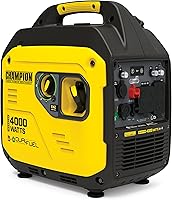
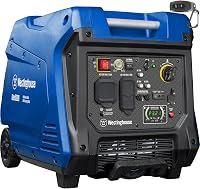
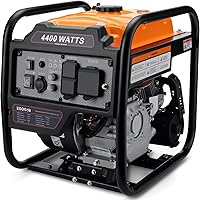
This comparison uses the Honda EU2200i and the Westinghouse 12500W as the two ends of the market. It also covers the mid-size iGen5000 and the budget WEN so you can match the right size to your load.
 Best for clean, quiet portable power
Honda EU2200i 2200 Watt Inverter Generator

Inverter vs standard generator: the two types side by side
An inverter generator cleans and conditions its output, while a standard generator sends raw AC power straight to the outlets. That single design difference drives the noise, weight and price gap between the two.
An inverter takes the engine's AC output, converts it to DC, then rebuilds a steady 60 Hz sine wave. The engine can slow down when the load is light because the electronics handle the conversion.
A standard generator has to spin at a fixed speed to hold frequency, so it burns fuel and makes noise at a steady rate.
The table below puts the two approaches next to each other on the points that matter at the store.
| Feature | Inverter generator | Standard generator |
|---|---|---|
| Power quality | Clean sine wave, often under 3% THD | Raw AC, THD varies with load |
| Noise | Quieter, engine speed varies | Louder, fixed engine speed |
| Weight | Lighter for the same watts | Heavier open frame |
| Fuel use | Lower at light loads | Higher and steady |
| Best use | Electronics, camping, RV, small tools | Home backup, heavy motors, job sites |
| Price per watt | Higher | Lower |
The Honda EU2200i shows the inverter strength best. It runs at 48 to 57 dB(A), which Honda says is less noise than a normal conversation.
The Westinghouse 12500W open frame makes far more noise but delivers 12,500 peak watts on gasoline.
Which one is safe for electronics?
An inverter generator is the safer choice for laptops, phones, TVs and medical devices because its output is a clean sine wave. A standard generator's power can swing enough to stress sensitive circuits.
The iGen5000 states under 3% total harmonic distortion, and the WEN lists under 0.3% at no load and under 1.2% at full load. Those figures mean the waveform stays close to the smooth curve grid power provides.
Standard generators don't publish a distortion figure in the same way. Their output follows the engine's fixed speed and can vary as loads switch on and off.
That's fine for a sump pump or a space heater, but a phone charger or a TV can see spikes.
If your backup plan includes a computer, a router or a CPAP machine, choose an inverter. For a furnace blower or a well pump, a standard unit's raw power does the job without the electronics premium.
How much quieter is an inverter generator?
Inverter generators are noticeably quieter at light loads, and the gap grows when you only run a few devices. The WEN runs at about 51 dB at quarter load, close to a normal conversation.
The Honda's 48 to 57 dB(A) range covers light to heavier loads. Both figures sit well under the open-frame Westinghouse, which is built to move serious wattage rather than keep a campground quiet.
Noise matters more than most buyers expect. Many campgrounds and RV parks enforce quiet hours, and a loud generator can end a trip early.
A standard unit belongs on a job site or at the far end of a yard, not next to a tent.
Where the noise difference shows up
At a campsite, the WEN or Honda fades into background conversation. A standard generator is the sound everyone notices.
At home during an outage, noise matters less than capacity. The Westinghouse 12500W is loud, but it can carry a whole house panel through a transfer switch.
If you need quiet and clean power for a tailgate or a small RV, an inverter is the clear pick. Our guide to the best Champion inverter generators covers more quiet options in the same class.
Which type gives you more watts for the money?
A standard generator wins on watts per dollar, while an inverter charges a premium for clean power and lower noise. Compare running watts, not peak watts, when you size your load.
The Westinghouse 12500W delivers 9,500 running watts on gasoline and 8,500 on propane. The iGen5000 runs 3,900 rated watts, and the Honda EU2200i runs 2,200 watts.
The WEN produces 1,900 rated watts.
Peak watts only cover short motor startups. A refrigerator, an air conditioner or a table saw can draw two to three times its running watts for a second or two.
Size the generator around that surge, then check the running watts for everything else.
Standard units usually cost less per watt because they skip the inverter electronics. Inverters put that money into clean output, quieter engines and lighter frames.
Neither approach is cheaper overall; they spend the budget on different things.
How long can each one run on a tank?
Inverter generators typically stretch a tank further at light loads because the engine slows down. Run time depends on load, fuel type and tank size, so compare at your expected draw.
The Honda's 0.95 gallon tank gives 3.2 to 8.1 hours depending on load. The iGen5000 runs up to 18 hours on a 3.4 gallon tank in economy mode.
The WEN's one-gallon tank gives over 5.7 hours at half load.
The Westinghouse 12500W runs up to 12 hours on a 6.6 gallon tank. That's a big tank for a big engine, and propane adds a second fuel option for longer outages.
Fuel choice changes the math
The Westinghouse 12500W is dual fuel. It runs on gasoline or propane, and propane never goes stale in the tank.
That matters for a generator that sits unused between storms.
The three inverter units here are gasoline only. For a camping generator used a few weekends a year, fresh gas and a fuel shutoff handle storage fine.
The WEN includes a fuel shutoff that runs the carburetor dry before shutdown.
If you plan to store a generator for months, a dual fuel standard unit saves you from draining and rotating gasoline. Our Westinghouse inverter generator guide covers the inverter side of the same brand.
Which one fits an RV or campsite?
An inverter generator fits RV life better, thanks to quieter running and clean power for the RV's electronics. A standard generator is overkill for a travel trailer and often breaks campground noise rules.
The iGen5000 includes an RV-ready TT-30R 30 amp outlet, so it plugs straight into a travel trailer's shore power cord. It also has two household outlets and USB ports.
That makes it the strongest inverter pick for a camper that needs air conditioning.
The Honda EU2200i is the classic small RV generator. Its 2,200 watts handle a microwave, a refrigerator or a hair dryer, and it can run a small AC unit according to Honda.
Its CO-MINDER shuts the unit down if carbon monoxide rises near a camper.
The WEN 2350W is the lightest option at 39 pounds. That weight makes it easy to lift in and out of a truck bed, though its 1,900 rated watts limit it to smaller loads.
A standard generator belongs on an RV only when you boondock far from neighbors and need to run a big AC plus other appliances. Even then, the noise and exhaust make placement tricky.
Which one suits a home outage?
A standard generator is the better home backup choice when you need to run a furnace, well pump or a whole panel. Inverters shine for a few circuits, not a whole house.
The Westinghouse 12500W has a transfer switch ready 30A outlet and a 50A outlet, plus GFCI household outlets. It starts from a key fob or the push button.
With a transfer switch installed by an electrician, it can power major appliances from one connection.
Inverter generators can back up a home too, but their wattage caps what they carry. The iGen5000's 3,900 running watts can keep a fridge, lights and a few small appliances going.
That's a solid plan for a short outage without a transfer switch.
For anything wired into the house, a transfer switch is not optional. It keeps backfeed from reaching utility lines where it could hurt line workers.
Have a qualified electrician install it and size the generator to the circuits you want to run.
Our Generac GP3300i review looks at a smaller inverter for backup use if a whole-house unit is more than you need.
Who should buy the Honda EU2200i?
The Honda EU2200i is the best pick for most people who want one quiet, clean generator for camping and small backup. Its score of 9.4 leads this comparison.
It suits tent campers, small RV owners and homeowners who want to run a fridge and a few lights during an outage. The CO-MINDER monitors carbon monoxide and shuts the unit down before levels get dangerous, which matters when it runs near a camper or a house.
The Bluetooth app adds remote stop and start plus service reminders. The 3-year residential warranty covers the unit, and the 0.95 gallon tank keeps the weight at 51 pounds.
One note: Honda doesn't sell this model in California.
Who should buy the Westinghouse 12500W?
The Westinghouse 12500W is the best pick for whole-home backup and heavy motor loads. Its score of 9 puts it just behind the Honda overall, but it wins on capacity.
It suits homeowners who lose power often and want to run a furnace, a well pump or a panel through a transfer switch. The dual fuel design lets you switch to propane when gasoline runs short or sits too long.
The remote start key fob and electric start mean you don't have to pull a cord in the rain. Its 457cc engine and 6.6 gallon tank support up to 12 hours of run time.
It's an open-frame unit, so plan for noise and a firm, level spot outdoors.
Who should buy the iGen5000 or the WEN?
The iGen5000 is the best mid-size inverter for an RV with air conditioning, and the WEN is the best budget inverter for light loads. They fill the gap between a camping unit and a home backup.
The Westinghouse iGen5000 scores 8.9. Its 3,900 rated watts and under 3% THD handle a travel trailer's AC and its electronics.
The 18 hour run time and 30A RV outlet make it a strong full-time camper pick.
The WEN 2350W scores 8.2. At 39 pounds it's the easiest to carry, and 51 dB at quarter load keeps it campground friendly.
Its 1,900 rated watts suit phones, laptops, a TV and a small fridge.
Verdict: which generator should you buy?
For most readers, the inverter generator versus standard generator call goes to the Honda EU2200i. It gives clean, quiet power in a 51 pound package that suits camping, small RVs and light home backup.
Choose the Honda EU2200i if you want one generator for weekends away and short outages. Choose the Westinghouse 12500W if you need to carry a house through a long outage or run a well pump and furnace.
Between the other two, pick the iGen5000 when an RV air conditioner is part of the plan. Pick the WEN 2350W when budget and carrying weight decide it.
For more inverter options in the same size range, see the inverter vs non inverter generator comparison.
Frequently asked questions
What is the main difference between an inverter generator and a standard generator?
An inverter generator converts engine output to clean, stable power and varies engine speed with the load, so it runs quieter and safer for electronics. A standard generator spins at a fixed speed and produces dirtier power, but usually delivers more watts per dollar.
Can I run a refrigerator on an inverter generator?
Yes, as long as the generator's running watts cover the refrigerator's startup surge. The Honda EU2200i lists refrigerators among its uses, while the larger iGen5000 gives more headroom for a fridge plus other appliances.
Why are standard generators louder than inverter generators?
A standard generator runs its engine at a fixed high speed to hold 60 Hz, which creates more mechanical and exhaust noise. An inverter generator slows the engine when the load is light, so camping units like the WEN run at about 51 dB at quarter load.
Do I need a transfer switch for a home backup generator?
Yes for a fixed connection to your home's wiring. The Westinghouse 12500W has a transfer switch ready 30A outlet and a 50A outlet, and a qualified electrician should install the switch so backfeed cannot reach utility lines.
Can I use an inverter generator for power tools?
Yes, if the running watts cover the tool and its startup surge. Inverter units handle drills and saws fine, but the Honda's 2200 watts suits smaller tools, while the iGen5000's 3900 running watts leaves room for heavier equipment.