Inverter Generators vs Regular Generators: Which to Buy? (November 2026)
Choose an inverter generator for sensitive electronics, campsites and RV hookups, and a regular generator when you need raw wattage for a transfer switch. In the inverter generators vs regular generators debate, the deciding factor is whether clean power and low noise matter more than peak output.
On this page (10 sections)
- Inverter vs regular generator: what actually differs?
- Inverter vs regular generators side by side
- Power quality decides which electronics you can run
- Noise separates campsites from backyards
- Fuel use and run time favor inverters at light load
- Weight and portability set who can move it alone
- Transfer switch and whole-home needs
- Which generator fits your use?
- Who should buy which
- The verdict
Choose an inverter generator for sensitive electronics, campsites and RV hookups, and a regular generator when you need raw wattage for a transfer switch. That single sentence settles most inverter generators vs regular generators shopping trips.
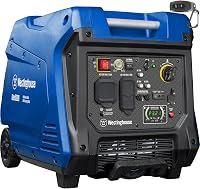
The Oxseryn 4400W inverter wins for most households that need backup plus weekend portability. The Westinghouse WGen9500DF is the better regular generator when a transfer switch and central air are part of the plan.
 Best for RV and home backup
Oxseryn Power Equipment 4400 Watts Inverter Generator

Inverter vs regular generator: what actually differs?
The difference is in the power conversion, not just the noise. An inverter generator cleans and stabilizes the current before it reaches your outlets, while a regular generator sends raw alternator output straight out.
That design change drives the quieter running, lower fuel use at light loads, and lighter frames in most portable sizes. For a deeper explanation of the electronics, our guide to inverter vs non inverter generator walks through how each type builds its output.
A regular generator couples the engine directly to an alternator spinning at a fixed speed. That keeps frequency steady but wastes fuel whenever you draw less than full load.
An inverter generator spins the engine at variable speed, converts the AC to DC, then rebuilds a clean 60 Hz wave. It runs only as hard as your load requires.
The engine sizes here show the difference. The Oxseryn uses a 208cc engine for 3400 running watts, while the regular WGen9500DF needs a 457cc engine for 9500 watts.
The inverter electronics let the smaller engine do more useful work per cubic centimeter.
Both types run at 60 Hz in North America, so frequency is not the dividing line. Distortion and load-following behavior are.
Inverter vs regular generators side by side
The table below shows how the two designs split on the specs that decide a purchase. Compare running watts, weight, noise and output quality.
| Feature | Oxseryn 4400W Inverter | Westinghouse iGen5000 Inverter | PowerSmart 4000W Inverter | Westinghouse 12500W Regular |
|---|---|---|---|---|
| Design | Inverter, open frame | Inverter, suitcase | Inverter, portable | Regular, open frame |
| Running watts | 3400 | 3900 | 3200 | 9500 (gas) |
| Peak watts | 4400 | 5000 | 4000 | 12500 (gas) |
| Noise | Under 72 dBA at 23 ft | As low as 52 dBA | 59 dBA at 23 ft | |
| THD | Inverter output | Under 3% | Under 3% | Raw AC |
| Fuel | Gasoline | Gasoline | Gasoline | Gas or propane |
| Start | Recoil | Remote electric | Recoil | Remote electric |
| Weight | 56 lb | 104.7 lb | 50.7 lb | Wheeled, heavy |
| Product | Best for | Running watts | Peak watts | Weight | Our score |
|---|---|---|---|---|---|
| Oxseryn Power Equipment 4400 Watts Inverter Generator | RV and home backup | 3400 | 4400 | 56 lb | 9.4 |
| Westinghouse 12500W Dual Fuel Home Backup | whole-home backup | 9500 (gas) | 12500 (gas) | Open frame, wheels included | 9.0 |
| Westinghouse iGen5000 5000W Inverter | quiet RV power | 5000 | 8.9 | ||
| PowerSmart 4000W Inverter | budget portability | 3200 | 50.7 lb | 7.7 |
The inverter columns show the trade-off inside the category itself. The Oxseryn sits between the light PowerSmart and the heavier iGen5000 on weight while offering the longest published run time at light load.
What the numbers do not show
Outlet count matters in daily use. The Oxseryn panel carries two 120V AC ports, one 12V DC port and one RV port, so it can feed a trailer cord and a household device at once.
The iGen5000 offers a duplex 120V household outlet, an RV-ready TT-30R 30A outlet and two USB outlets. The PowerSmart adds a 120V 30A L5-30R twist-lock plus dual USB ports and a 12V DC port.
The regular WGen9500DF covers larger plugs: two GFCI 120V household receptacles, a transfer switch ready L14-30R and a 14-50R for a single high-draw cord.
Power quality decides which electronics you can run
Inverter output matters most when laptops, TVs or a modem are on the circuit. A regular generator's raw AC can carry harmonic distortion that sensitive gear handles poorly.
The iGen5000 and PowerSmart both specify total harmonic distortion under 3%, which most electronics makers treat as safe. The Oxseryn builds its output through inverter electronics as well.
The Westinghouse WGen9500DF sends conventional AC. It runs major appliances well, but plugging a laptop directly into it is riskier than using an inverter model or a protected circuit.
If your backup plan centers on a fridge, furnace blower and a few lights, the clean power question barely comes up. If it centers on a home office or a CPAP machine, an inverter generator is the safer buy.
Noise separates campsites from backyards
Inverter generators are quieter at light load because the engine slows down when demand drops. That matters at campgrounds with quiet hours and in yards close to neighbors.
The PowerSmart is rated 59 dBA at 23 ft and the iGen5000 as low as 52 dBA. The Oxseryn lists under 72 dBA at 23 ft, still well below a typical open-frame regular generator.
A regular generator runs at full engine speed whenever it's on, so it stays loud even when the load is small. The WGen9500DF's fixed-speed 457cc engine points to a much louder unit.
Many campgrounds enforce a noise limit that inverter models meet and regular generators do not. Check the site's rules before you book with a regular generator in tow.
The Oxseryn's open frame is worth a note. It is an inverter, but its frame is not a sealed suitcase shell, so its 72 dBA figure is higher than the enclosed iGen5000 and PowerSmart.
Fuel use and run time favor inverters at light load
An inverter generator burns less fuel when you aren't drawing much power. Economy mode throttles the engine down, stretching a tank across a night of camping or a partial outage.
The Oxseryn runs up to 14 hours at 25% load on its 2 gallon tank. The iGen5000 reaches up to 18 hours on 3.4 gallons in economy mode.
Both numbers assume a light load, not full output.
The WGen9500DF runs up to 12 hours on a 6.6 gallon tank, but at much higher output. Its fuel use at light load is worse than an inverter's, so a long outage burns through gas faster.
For a weekend camper, this is the difference between one fuel can and two. For a homeowner riding out a three-day outage, it is a reason to keep a spare can on hand either way.
Tank size and fuel gauge matter as much as the hours figure. The Oxseryn's 2 gallon tank includes a gauge, and the iGen5000's LED data center shows fuel level and remaining run time.
Reading run time claims correctly
Run time at 25% load means light use: a few lights, a fan or a phone charger. Pull a space heater or a microwave and hours drop fast on every model.
The WGen9500DF's 12 hours is measured on a 6.6 gallon tank at its rated output, so its burn rate per kilowatt hour is higher than an inverter's. That is the price of carrying 9500 running watts.
The inverter advantage shows up most in long, low-load stretches, such as a router and fridge overnight or a camper's lights and laptop. It narrows when you draw near full output.
Weight and portability set who can move it alone
The inverter models here are carryable; the regular generator is wheeled for a reason. Weight decides whether one person can load a truck or needs help.
The PowerSmart is 50.7 lb and the Oxseryn is 56 lb, both light enough for one adult to lift into a truck bed. The iGen5000 weighs 104.7 lb and has wheels plus a telescoping handle for rolling, but lifting it still takes two people.
The WGen9500DF is a wheeled open-frame unit with a handle and lift bracket. It is not a carry-on generator; moving it means rolling it on flat ground.
Think about the loading routine. A camper who lifts a generator into a truck bed alone every trip wants the PowerSmart's weight.
A homeowner who parks the unit by the transfer switch once and leaves it there can accept the heavier WGen9500DF.
Transfer switch and whole-home needs
A regular generator is the right tool when a transfer switch is part of the setup. High running wattage lets it carry central air, a well pump and a fridge together.
The WGen9500DF runs 9500 watts on gas and 8500 on propane. It has a transfer switch ready L14-30R outlet and a 14-50R outlet for a single high-draw cord, plus remote start from a key fob.
Portable inverter generators top out lower. The iGen5000 is rated 3900 watts and the Oxseryn 3400 running watts.
Those cover essentials and an RV, not a whole house.
If your plan is a manual transfer switch for a handful of circuits, a regular generator's output matters more than its noise. If your plan is plugging an RV cord into a generator at a campsite, the inverter wins.
Fuel flexibility beyond gasoline
The WGen9500DF runs on propane as well as gasoline. On propane it holds 8500 running watts and 11200 peak watts, a small step down from its gas figures but enough to keep major loads going when gasoline runs short.
None of the three inverters here run on propane. They are gasoline only, so a long outage means fuel runs either way.
The dual fuel option is the one feature no inverter in this lineup matches.
Which generator fits your use?
Pick the Oxseryn 4400W inverter for most homes that want backup plus RV trips. It runs 3400 watts continuously and 4400 at peak, with an RV port, a 12V DC port and a 14 hour run time at light load.
It also comes in at 56 lb and under 72 dBA. That balance of portability, quiet running and clean output makes it the all-round pick for a household covering both outages and weekend camping.
Choose the WGen9500DF if a transfer switch and whole-home circuits are the goal. Its 9500 running watts and dual fuel option handle loads no portable inverter in this lineup can match.
Choose the iGen5000 if you tow a travel trailer and want the quietest, cleanest power in the group. Choose the PowerSmart if budget and lifting matter most.
Who should buy which
Inverter generators suit RV owners, campers and anyone running electronics; regular generators suit whole-home backup. The buyer's plan, not the wattage alone, decides the type.
An RV owner needs a TT-30R outlet, quiet running and clean power for a trailer's electronics. The Oxseryn and iGen5000 both fit that pattern.
A homeowner with a transfer switch needs raw watts and dual fuel flexibility. The WGen9500DF fits that pattern, and its remote start is a real convenience in bad weather.
Someone who wants one generator for both jobs is better served by an inverter in the 3400 to 3900 watt range. A regular unit big enough for a house is too heavy and loud for routine camping trips.
For buyers leaning toward specific brands, our roundups of the Generac GP3300i, the best Champion inverter generator and the best Westinghouse inverter generator narrow the choice within the inverter category.
Buyers the inverter route fits
Campers and tailgaters who want quiet hours compliance and carryable weight should start with the PowerSmart or Oxseryn. Homeowners with a home office, a router, a TV or a medical device should treat clean output as a requirement.
RV owners who tow a trailer with a 30A cord want an RV outlet built in. The Oxseryn and iGen5000 both have one.
Buyers the regular generator route fits
Homeowners wiring a transfer switch for central air, a well pump or an electric furnace should look at the WGen9500DF first. Households in areas where gasoline sells out before storms should weigh dual fuel.
Anyone who needs remote start in bad weather gets it on the WGen9500DF and the iGen5000. The Oxseryn and PowerSmart are recoil start only.
The verdict
For most readers comparing inverter generators vs regular generators, the inverter wins on clean power, noise and portability. The Oxseryn 4400W inverter is the best overall pick for a household that needs both outage backup and weekend RV use.
The WGen9500DF is the best regular generator for whole-home backup with a transfer switch. It carries loads the inverters can't, and its dual fuel option adds flexibility when gasoline is scarce.
The iGen5000 is the best inverter for quiet RV power and sensitive electronics. The PowerSmart is the best light and budget option, especially if you plan to parallel two units later.
Pick the type first: inverter for electronics, campsites and carryable power; regular for a transfer switch and major appliances. Then match the wattage to what you need to run at once.
Frequently asked questions
What is the main difference between inverter and regular generators?
An inverter generator converts engine output to clean, stable AC power, while a regular generator sends raw AC straight from the alternator. The inverter's electronics keep total harmonic distortion low, so laptops and TVs run without voltage spikes.
Can a regular generator damage electronics?
It can. Raw AC from a conventional generator may carry voltage swings and harmonic distortion that sensitive electronics handle poorly.
If you plan to plug in a laptop, TV or medical device, choose an inverter model or run the load through a surge protector rated for it.
Are inverter generators quieter than regular generators?
Yes, generally. An inverter runs its engine at variable speed, slowing down when the load drops, so it makes less noise at light load.
The Oxseryn is rated under 72 dBA at 23 ft, and the PowerSmart at 59 dBA.
How much more fuel does a regular generator use?
A regular generator runs at a fixed engine speed no matter the load, so it burns fuel at a steady rate. An inverter with economy mode throttles down when demand falls.
The Oxseryn runs up to 14 hours at 25% load on a 2 gallon tank.
Can an inverter generator power a whole house?
Most portable inverter generators cannot. They suit essentials like a fridge, lights and a router.
Whole-home backup calls for a higher-output regular generator wired to a transfer switch, such as the Westinghouse WGen9500DF at 9500 running watts.
Do inverter generators cost more?
Yes. Inverter models carry a premium because of the electronics and quieter engine design.
You pay more up front for clean power, lower noise and better fuel economy at light loads, which often pays back over years of camping and outages.