WEN vs Predator Inverter Generators: Which to Buy? (November 2026)
The WEN DF360iX wins this WEN vs Predator inverter generator comparison for most homes, because dual fuel and a CO shutdown sensor cover both storm season and camping. Choose a Predator model instead when you need more running watts for a big RV air conditioner.
On this page (9 sections)
- WEN vs Predator inverter generator: the quick verdict
- WEN and Predator specs side by side
- Which brand has the better CO safety feature?
- Which is quieter for camping and neighborhoods?
- Which brand is easier to live with day to day?
- How much generator do you actually need?
- Who should buy WEN?
- Who should buy Predator?
- Which generator is the better buy overall?
The WEN DF360iX wins this WEN vs Predator inverter generator comparison for most homes, because dual fuel and a CO shutdown sensor cover both storm season and camping. Pick a Predator when your main need is more running watts for a big RV air conditioner or a larger backup load.
The brand question hides a simpler one. WEN sells dual-fuel inverter models with carbon monoxide safety built in.
Predator is the in-store brand at Harbor Freight, and its reputation rests on high-wattage open-frame units rather than small quiet inverters.
This comparison puts the two brand approaches next to each other using the WEN models we checked and the closest matching generator in the same wattage class. You'll see where each one fits and which features actually decide the purchase.
WEN vs Predator inverter generator: the quick verdict
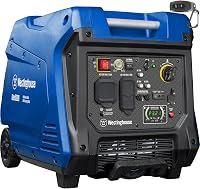
WEN is the better fit for a homeowner who wants one quiet unit for the house and the camper. The DF360iX runs on gasoline or propane, carries a CO Watchdog sensor and includes an RV outlet, all in a 49 lb body.
Predator makes more sense when wattage is the whole job. A Predator inverter in the 3500 to 4000 watt class gives you more running watts for a travel trailer air conditioner or a well pump, usually as a gasoline-only open-frame design.
The split is about fuel flexibility and safety electronics versus raw output. WEN leans toward quiet, clean power with extra shut-off features.
Predator leans toward capacity and price per watt.
If your backup plan is a fridge, a furnace fan and some lights, the WEN unit covers it. If you plan to run a rooftop air conditioner through a heat wave, the wattage headroom matters more than dual fuel.
One more detail shapes the verdict. The WEN DF360iX is a smaller, lighter machine than most Predator units in the 4000 watt class, so it fits in a truck bed or a garage corner without a ramp or a second pair of hands.
That matters if you move the generator between the house and the camper on your own.
WEN and Predator specs side by side
The WEN DF360iX trades some wattage for dual fuel and CO protection. A comparable Predator inverter gives you more running watts, but you give up the propane option and the built-in CO sensor.
 Best for home backup and RV trips
WEN 3600W Dual Fuel RV Inverter (DF360iX)
 Best for bigger loads
Oxseryn Power Equipment 4400 Watts Inverter Generator
| Feature | WEN DF360iX | Predator inverter (typical 3500 to 4000W class) |
|---|---|---|
| Surge watts on gas | 3600 | Higher, often 4000 or more |
| Running watts on gas | 2900 | Higher, often 3200 to 3500 |
| Fuel options | Gasoline or propane | Gasoline |
| CO shutdown | WEN Watchdog sensor | Not standard |
| RV outlet | TT-30R included | Varies by model |
| Weight | 49 lb | Usually heavier on open-frame models |
| Outlets | Two 120V, one TT-30R, 12V DC, two USB | Usually 120V plus RV outlet |
The WEN numbers come straight from the model. On propane it drops to 3500 surge and 2600 rated watts, which is normal since propane carries less energy per unit than gasoline.
That table tells you most of what you need. The WEN unit is the friendlier choice for mixed use.
A Predator in the same class is the stronger choice when your load is fixed and heavy.
Why the propane option changes the math
Propane stores for years without going stale. Gasoline left in a tank or carburetor can gum up, which is why WEN includes a fuel shut-off to run the carburetor dry before storage.
During a long outage, gas stations may lose power or run dry. A propane tank you already own keeps the generator running, and the WEN quick-connector attaches without tools.
The trade is output. You lose about 300 watts of running power when you switch to propane, so plan your loads around the lower number.
Why Predator wattage matters for trailers
A 15,000 BTU rooftop air conditioner can pull well over 3000 watts at startup. A Predator unit rated in that class has the headroom to start it, while the WEN's 2900 running watts may not.
That's the one place where the Predator argument is strongest. If the air conditioner is the reason you're buying, buy for its starting watts first.
Which brand has the better CO safety feature?
WEN includes a carbon monoxide shutdown sensor on the DF360iX, and that matters more than most shoppers expect. Predator inverters do not list a CO shutdown feature as standard.
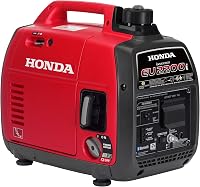
The WEN Watchdog sensor turns the generator off when carbon monoxide reaches a dangerous level. Honda uses the same idea under the CO-MINDER name on the EU2200i.
This is not a substitute for a home CO alarm. It is a last line of defense for the generator itself, useful when the unit sits near a garage door or a camper.
Portable generators kill people every year through CO poisoning. A sensor that shuts the unit down adds a layer of protection that raw wattage does not.
If you plan to run the generator near a house, a tent or a trailer, put CO shutdown near the top of your list. WEN offers it at this price tier.
Predator's inverter lineup does not make it a headline feature.
Which is quieter for camping and neighborhoods?
WEN wins on noise for campsites and close neighbors, based on the published decibel figures. The DF360iX runs at about 65 dB at quarter load, close to a normal conversation.
The smaller WEN 2350W model is quieter still at 51 dB at quarter load. That's quieter than a window air conditioner and easy to live beside at a campground.
Predator inverters are marketed as quiet units too, but the open-frame models in the higher wattage classes tend to run louder than enclosed inverter designs. Noise rises with load on any generator.
For a campsite with quiet hours, a smaller enclosed inverter is the safer choice. For a driveway where noise matters less, wattage can win.
Check the dB rating at quarter load when you compare models. A generator that's quiet at low load can get noticeably louder when an air conditioner kicks on.
That quarter-load figure is also the honest way to read any "quiet" label. A 65 dB rating at quarter load tells you how the unit behaves while idling through a light evening load.
It says less about the moment a fridge compressor or an air conditioner starts up. Budget for a little more noise during those spikes, whichever brand you choose.
Which brand is easier to live with day to day?
WEN's fuel shut-off and dual fuel make routine ownership simpler, while Predator's simpler gasoline-only design has fewer parts to manage. The right answer depends on how often you'll use it and how long it sits between runs.
The WEN DF360iX includes a fuel shut-off valve. It lets the engine burn the remaining fuel from the carburetor before shutting down, which helps prevent blockages during storage.
It also ships with two three-prong 120V receptacles, one TT-30R RV outlet, a 12V DC receptacle and two USB ports. That's a full panel for a 49 lb unit.
Predator units typically center on 120V household outlets plus an RV outlet on trailer-ready models. Fewer fuel options mean one less thing to maintain, but also one less fallback during an outage.
For a generator that sits in the garage for months, the fuel shut-off is the feature you'll appreciate most. For one that runs weekly on a job site, simplicity and wattage matter more.
What the outlet panel tells you about real use
The WEN panel covers the plugs most people actually reach for. The two 120V receptacles take lamps, chargers and small appliances.
The 12V DC outlet and the two USB ports handle phones and tablets without an adapter.
The TT-30R RV receptacle is the one that earns its keep on a trailer. It feeds a camper's shore power inlet directly, so you can run the trailer's built-in outlets and converter from the generator.
A Predator in the same wattage class usually gives you the 120V outlets and, on trailer-ready models, an RV outlet too. The difference is the small ports.
If you camp with a lot of devices to charge, the WEN panel saves you from carrying a power strip.
How much generator do you actually need?
Match running watts to the appliances you'll run at the same time, then add a margin for startup surge. The WEN's 2900 running watts cover a fridge, lights and a fan comfortably.
Add up the running watts of everything you'd switch on together. A typical fridge runs around 700 watts, a furnace fan around 500 and a few LED lights under 100.
That leaves room to spare on the WEN unit.
Then check startup watts for anything with a motor. A fridge compressor can spike to two or three times its running draw for a moment.
Air conditioners and well pumps are worse.
The Oxseryn 4400W model in our comparison sits in the Predator wattage class with 3400 running watts. That's the level to consider if your load list includes a bigger air conditioner.
If you're still working out your load, our guide to the best Champion inverter generators shows how wattage classes map to common household loads. The same logic applies across brands.
Who should buy WEN?
Buy WEN if you want one generator for home backup and weekend camping, and you value dual fuel and CO safety. The DF360iX is the pick for that mix.
It suits a household that loses power a few times a year and also takes a travel trailer out in summer. The propane option stretches fuel during an outage, and the CO sensor adds peace of mind near the house.
The smaller WEN 2350W fits tent campers and tailgaters who need clean power for phones, laptops and a small cooler. At 39 lb it's easy to lift into a truck bed.
Skip WEN if your main load is a large RV air conditioner. The running wattage ceiling is the limiting factor there.
When the smaller WEN makes more sense
The 2350W model produces 2350 surge and 1900 rated watts. That's enough for a TV, a laptop, a fan and a mini fridge, but not a microwave and an air conditioner together.
It's also the lightest unit in this comparison. If you carry the generator by hand or load it alone, weight decides more than wattage.
Our roundup of the best Westinghouse inverter generators covers another brand with similar small-unit options if you want more choices in this class.
Who should buy Predator?
Buy Predator when running watts and price per watt are the deciding factors, and you can live with a gasoline-only unit. It fits a work site or a trailer with a big air conditioner.
Predator's inverter models in the 3500 to 4000 watt class give you more running watts than the WEN DF360iX. That headroom matters for air conditioners, pumps and power tools.
The trade-offs are noise and fuel flexibility. You lose the propane option and the built-in CO shutdown, and open-frame models are usually heavier and louder.
If your generator lives on a job site and runs a circular saw or a compressor, the wattage is worth more than the extra safety electronics. That's the honest case for Predator.
When a bigger inverter beats brand loyalty
The Oxseryn 4400W shows what this wattage class looks like outside the Predator name. It offers 3400 running watts, an RV port and a fuel gauge in a 56 lb frame.
That's the spec profile to look for if you go Predator: 3400 or more running watts, an RV outlet if you tow, and a fuel gauge so you don't guess. Our Champion 4000 watt generator review shows how another brand handles this class.
Which generator is the better buy overall?
The WEN DF360iX is the better buy for most readers because it covers home backup and camping with dual fuel and CO shutdown. Buy Predator only when a specific appliance needs more running watts than WEN offers.
The decision rule is simple. If your load list tops out around 2900 running watts, the WEN unit gives you more features for the same job.
If your load list includes a big air conditioner or a pump, buy by wattage first. Predator's higher-output inverter models are built for that.
Either way, run the generator outdoors and away from windows, and keep a battery-powered CO alarm inside the house. For a brand-by-brand look at how WEN stacks up against another quiet lineup, see our Westinghouse vs WEN inverter generator comparison.
Frequently asked questions
Is WEN or Predator a better generator brand?
WEN covers more ground for a typical homeowner because its lineup includes dual-fuel inverter models with CO shutdown. Predator is the store brand sold at Harbor Freight and is known for higher-wattage open-frame units, so the better brand depends on whether you need quiet dual-fuel power or maximum watts per dollar.
Can a WEN inverter generator run a camper air conditioner?
The WEN DF360iX supplies 2900 running watts on gasoline and 2600 on propane, which covers many small RV air conditioners but not the largest rooftop units. Check the starting watts on your air conditioner before you buy, since startup draw is higher than running draw.
Does the WEN DF360iX run on propane and gasoline?
Yes. It takes gasoline for 3600 surge and 2900 rated watts, or a propane tank through a tool-free quick-connector for 3500 surge and 2600 rated watts.
Propane output is lower, but the fuel stores longer and does not gum up a carburetor.
What is a CO shutdown sensor on an inverter generator?
It is a carbon monoxide monitor built into the generator. The WEN Watchdog sensor turns the unit off when CO levels rise, and Honda's CO-MINDER does the same on the EU2200i.
Neither replaces a battery-powered CO alarm inside your home.
How much can a 2200-watt inverter generator power?
The Honda EU2200i runs 1800 watts continuously and peaks at 2200. That covers a fridge, a few lights and a fan, or a microwave on its own.
It will not start a central air conditioner or run several high-draw appliances at once.