What Size Generator Do You Need for a Sump Pump?
A generator for a sump pump needs enough running watts for the pump and enough starting watts for its brief startup surge. Check the pump label or manual, then add the starting demand and any other appliances you plan to run at the same time.
On this page (7 sections)
- How many watts does a sump pump need?
- How do you calculate the generator size?
- Can a small inverter generator run a sump pump?
- Can you run a sump pump and refrigerator together?
- How should you set up and use the generator?
- What should you check before buying a generator for a sump pump?
- Which generator should you choose for a sump pump?
A generator for a sump pump needs enough running watts for the pump and enough starting watts for its brief startup surge. Check the pump label or manual, then add the starting demand and any other appliances you plan to run at the same time.
A small portable inverter can suit one pump if its output clears those requirements. Your choice depends on the pump's electrical needs, how you plan to connect it, and whether you also need power for a refrigerator or other essentials.
How many watts does a sump pump need?
Use the pump's running watts and starting watts to size a generator. Running watts cover normal pumping, while startup can require a short burst of higher power.
Look for both figures on the pump label or in its manual. If you only see volts and amps, ask the pump maker or an electrician how to use those numbers for generator sizing.
Don't estimate from horsepower alone. Electrical demands vary by pump model, so use the figures for your specific pump.
The generator's running output needs to cover the pump's running load. Its starting output must also cover the pump's brief startup demand.
For a quick explanation of the difference, see starting watts vs. running watts.
How do you calculate the generator size?
Choose a generator whose running output covers the pump and other continuous loads, and whose starting output covers the pump's surge. Add only appliances you expect to power at the same time.
For example, if a pump needs 800 running watts and 1,500 starting watts, the generator must supply at least those amounts for the pump. If you also want to run a refrigerator, include its running demand and account for its startup surge.
That example shows the method, not a typical requirement for every pump. Check each appliance's label or manual, then follow the generator maker's guidance on total load and startup.
Make a simple list with two columns: the running watts of each planned load and the highest starting demand you expect. The generator needs enough continuous output for the loads operating together, plus enough surge capacity when a motor starts.
If your outage plan includes several appliances, how many watts you need to run a house can help you build a complete load list.
Should you add a safety margin for a generator for a sump pump?
Leave some capacity beyond your calculated load so the generator doesn't have to run at its limit. A margin gives you room for small differences in actual use and for another planned load.
A margin can't make an undersized generator suitable when its starting output falls below the pump's demand. If the numbers are close or the pump's startup figure is unclear, confirm the match with the pump or generator maker before relying on it during an outage.
Can a small inverter generator run a sump pump?
A small inverter generator can run a sump pump only if its running and starting output meet the pump's requirements. These four options provide 1,850 to 2,250 rated running watts, but that range alone doesn't confirm that a specific pump will start.
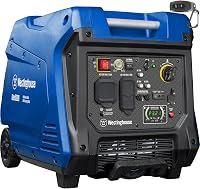
The Westinghouse iGen2550 Inverter suits a buyer who wants to run a compatible pump and keep track of fuel and remaining run time. Its 1,900 running watts and 2,550 peak watts set the limits to check against the pump's needs, and its panel has a standard 120V duplex outlet.
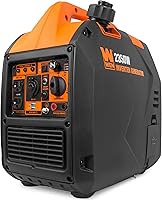
The WEN 2800W Inverter (56280iX) is the strongest fit among these picks when a pump needs more running output. It provides 2,250 rated watts and up to 2,800 surge watts, with two 120V receptacles; skip it if your pump's demand or connection needs don't match.
The WEN 2500W Inverter (56250i) fits a buyer who wants a lighter, compact option for one pump with moderate power needs. It offers 1,900 rated watts and up to 2,500 surge watts, so it isn't the choice for a pump that exceeds either limit.
The Champion 2500W Ultralight Inverter suits someone who values a light unit and has a pump compatible with its 120V household duplex outlet. Its 1,850 running watts are lower than the two 1,900-watt options, so choose another model if your pump needs more continuous output.
A generator's peak number is not its continuous output. Compare both figures with your pump's requirements, and see what a 2000-watt generator can run for more examples of the limits of a small unit.
Can you run a sump pump and refrigerator together?
Possibly, if the generator can handle both appliances' running loads and their startup demands. A refrigerator and sump pump both have motors, so account for the startup needs of each, not just their steady wattage.
Check both appliances' labels or manuals, then compare their combined running load with the generator's running output. The generator also needs enough surge capacity when a motor starts.
If you can't tell whether the startup loads can overlap, ask the appliance makers or plan to manage which appliances run at once, as the generator manual allows.
Our guide to what size generator you need to run a refrigerator explains the refrigerator side of the calculation. For several home essentials, portable generators for home use covers broader backup needs.
How should you set up and use the generator?
Place a portable generator outdoors, away from doors, windows, and vents, and follow both manuals for the connection. If the setup needs a transfer switch or fixed wiring, have a licensed electrician do that work.
The CPSC's generator safety guidance explains that generator exhaust contains carbon monoxide, which can cause illness or death. Never run a portable generator indoors or in an enclosed space.
If you use an extension cord, check that its rating suits the pump's load and the distance, and confirm that both manuals allow that connection. The generator extension cord guide explains how to compare cord ratings and length.
Before an outage, learn the generator's starting and shutdown steps, inspect the cord and connections, and make sure the pump can reach the approved outlet or connection point. Keep fuel handling and routine care in line with the generator manual.
What should you check before buying a generator for a sump pump?
Write down the pump's running watts, startup watts, voltage, and plug type before comparing generators. Then list any other appliances you want to power and check their requirements too.
Choose a unit with enough running output for the loads you plan to use together and enough surge output for motor startup. Confirm that its outlet works with the connection method allowed by the pump and generator manuals.
Avoid these common sizing mistakes:
- Choosing by peak watts alone. The generator must also support the pump's steady running load.
- Using horsepower as a wattage estimate. Use the pump's electrical figures instead.
- Ignoring other appliances. A refrigerator or other motor adds both running demand and a possible startup surge.
- Assuming any outlet will work. Match the plug and connection method to the pump and generator instructions.
- Waiting until an outage to check the setup. Confirm the connection, cord rating, location, and starting steps ahead of time.
A compact inverter can be a sensible choice for one compatible pump, but it isn't automatically enough for every home backup plan. If you want a refrigerator and more essentials as well, total those loads and compare them with generators designed for home use.
Which generator should you choose for a sump pump?
Pick the WEN 2800W Inverter if your pump needs the most output among these options and its outlet is compatible. Choose the Westinghouse or WEN 2500W when 1,900 running watts and their respective surge limits cover your pump; choose the Champion when its lower running output is enough and its light weight matters to you.
Skip all four if the pump's starting demand exceeds the generator's surge output, its running demand exceeds the unit's rated output, or the connection method doesn't fit your setup. For a well pump sizing guide, use the same careful approach: check the specific pump's running and starting needs, then size for the other loads you plan to run.
Frequently asked questions
What size generator do I need for a sump pump?
Choose a generator that can supply the pump's running watts and its higher starting demand. Check the pump label or manual for both figures, then add the running watts of any other items you will power at the same time.
If the pump's startup watts are missing, ask the pump maker or a qualified electrician.
Can a 2000-watt generator run a sump pump?
It may run some sump pumps, but the number alone doesn't confirm a match. Compare the generator's running and starting output with the pump's running and startup demand, and account for other connected loads.
A pump that exceeds either limit may fail to start or overload the generator.
Can an inverter generator run a sump pump?
Yes, if its running and starting output meet the pump's requirements and its outlets suit the connection method you plan to use. Check the pump and generator manuals before connecting them.
Keep the generator outdoors, away from doors, windows, and vents.
Can I run a refrigerator and sump pump on one generator?
Possibly, if the generator can handle both appliances' running loads and the startup demand when either motor starts. Check both manuals and avoid starting them together if the generator's instructions call for managing loads.
Our refrigerator sizing guide explains how to estimate that appliance's demand.