How Many Watts Do You Need to Run a House?
The watts needed to run a house depend on which appliances you use at the same time. Add their running watts, account for the largest starting surge, and size a generator to that load.
On this page (8 sections)
- How many watts do you need to run a house?
- How do you calculate the watts for your home?
- Which household loads should you count first?
- Why do starting watts change the generator size?
- Can a 5000-watt generator run a house?
- Which generator size should you consider?
- How should you connect a generator to house circuits?
- How many watts should you plan for when choosing a generator?
The watts needed to run a house depend on which appliances you want to use at the same time. Add their running watts, account for the largest starting surge, and choose a generator whose rated running output can cover that load.
A generator rarely needs to power every circuit in a home. For backup, many households choose essential appliances and lights, then manage larger loads one at a time.
How many watts do you need to run a house?
There is no single watt number for every house. A home running a refrigerator, lights, and a few electronics has a different load from one also running electric heat, central air, a well pump, or an electric range.
Start with a list of what you need during an outage. Include appliances you may use together, then check their labels or manuals for running and starting watts.
A circuit's voltage and amperage can help you estimate its power: watts = volts × amps. Use the appliance's published watt figures when available, since a motor may need more power briefly when it starts.
How do you calculate the watts for your home?
Add the running watts of the appliances that may operate together, then include the largest starting surge. This gives you a practical estimate for choosing a generator, though the appliance manuals and generator instructions remain the source for exact requirements.
- List the appliances and circuits you want powered.
- Find each appliance's running watts and starting watts.
- Add the running watts for loads that may run at the same time.
- Add the largest starting surge to that running total.
- Compare the result with the generator's rated running output.
Don't add every starting surge together automatically. Consider which motor might start while other selected appliances are already running, and allow for how you will manage the loads.
For a deeper explanation of the two watt figures, read starting watts vs. running watts. The distinction matters because a generator's peak output is temporary, while its running output is the figure to compare with ongoing demand.
What if an appliance label shows amps instead of watts?
Multiply volts by amps to estimate watts when the label gives those figures. For example, a 120-volt appliance drawing 10 amps uses about 1,200 watts while operating at that stated load.
This quick estimate may not capture a motor's startup surge or changes in operating demand. Check the manual or ask the manufacturer if the label doesn't give enough information to size backup power.
Which household loads should you count first?
Count the appliances you need most during an outage before adding convenience loads. A short priority list makes it easier to estimate a useful generator size without assuming the whole house must run at once.
A common first pass might include a refrigerator, selected lights, phone charging, and a sump or well pump if the home depends on one. Heating and cooling needs vary by climate and equipment, so check those requirements separately.
Our portable generator guide for home use explains common backup options and connection considerations. For a refrigerator-specific estimate, see what size generator you need to run a refrigerator.
How many watts does a refrigerator need?
Use the refrigerator's own running and starting figures to size for it. The watt demand varies by model, and its compressor may need a brief startup surge.
Keep the refrigerator door closed during an outage to limit how often it runs. Our refrigerator generator sizing guide covers the details for planning around that appliance.
Why do starting watts change the generator size?
A motor can draw extra power briefly when it starts, so its starting watts may exceed its running watts. If the generator is already carrying other loads, that surge can push the total demand beyond its capacity.
Refrigerators, pumps, and some heating or cooling equipment have motors. Check the requirements for each model rather than using a generic estimate, and consider whether two motors could start close together.
If your home relies on a sump pump, see what size generator you need for a sump pump. For homes with a private water supply, the well pump generator sizing guide can help you account for that load.
Can a 5000-watt generator run a house?
A 5000-watt generator may cover selected essential loads, depending on their combined demand and startup needs. It shouldn't be treated as a guarantee that it can power every circuit or large appliance in a particular home.
A generator in this range works best with a load plan. Decide which appliances can run together, and switch off or delay a load when another appliance needs to start.
See what a 5000-watt generator can run for examples of how to think about that size class. The guide to portable generators for home use can help you compare broader backup setups.
Which generator size should you consider?
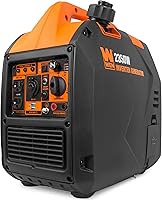
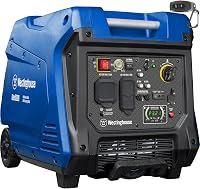
Choose a size based on your calculated running load and the largest likely startup surge. The products below span several output classes, so compare their running watts with your plan and check which fuel and connection options suit your setup.
These output figures are not interchangeable with peak or surge watts. Match the fuel you expect to use, and make sure the generator's outlets and transfer equipment fit the intended connection.
How should you connect a generator to house circuits?
Use a transfer switch or other approved connection installed for your home, with a qualified electrician's help. Never connect a portable generator to a household outlet or attempt to feed home wiring through an improvised cord.
A transfer-switch-ready outlet alone does not install or configure a transfer switch. Ask an electrician to confirm the equipment and wiring suit the generator and the circuits you plan to power.
Operate a portable generator outdoors, away from doors, windows, and vents, and follow the manufacturer's manual and CPSC guidance. Read how far a generator should be from the house before planning its location.
How many watts should you plan for when choosing a generator?
For a useful estimate of how many watts to run a house, add the running watts for essential appliances you may use together and account for the largest starting surge. Then compare that total with a generator's running output and plan which loads can run at the same time.
Choose a smaller output class if your plan covers only essential loads, or compare higher-output home backup options if it includes more equipment. The 5000-watt generator guide is a helpful next step for a narrower load plan.
Frequently asked questions
How many watts does an average house use?
There isn't one watt figure that fits every house. The total depends on which appliances are running at the same time, especially large loads such as heating, cooling, cooking, and water pumps.
Add the running watts for the equipment you want to power, then account for starting surges before choosing a generator.
Can a 5000-watt generator run a whole house?
A 5000-watt generator can run selected household loads if their combined running watts and starting surges fit its capacity. It usually calls for prioritizing essentials and avoiding simultaneous large loads.
Check appliance labels and compare running watts, not just peak watts, before deciding what to connect.
How do I calculate the generator size for my home?
List the appliances you want powered, find each one's running watts and starting watts, and add the running loads you may use together. Then add the largest starting surge that could occur while those loads are running.
Compare the result with a generator's rated running output and confirm connection needs with a qualified electrician.
What appliances use the most watts in a house?
Heating and cooling equipment, electric water heaters, ranges, clothes dryers, well pumps, and sump pumps can be major loads, but exact watt needs vary by model. Read each appliance label or manual and include startup requirements for motors.
A home's total demand depends on which of these you plan to run together.