What Size Generator Do You Need for a Well Pump?
A generator for a well pump must handle the pump’s running watts and its higher startup surge. Check the pump label or manual for watts, voltage, and starting requirements, then add the other appliances you need to run at the same time.
On this page (8 sections)
- What size generator does a well pump need?
- Why does a well pump need extra starting power?
- How do you calculate the generator load?
- Does the pump’s voltage and wiring matter?
- Which generator features can help with a well pump?
- Which portable generators are worth comparing for a well pump?
- What safety steps matter when powering a well pump?
- How should you choose a generator for a well pump?
A generator for a well pump must handle the pump’s running watts and its higher startup surge. Check the pump label or manual for watts, voltage, and starting requirements, then add the other appliances you need to run at the same time.
There isn’t one generator size that fits every well pump. Pump size, motor design, voltage, and the loads sharing the generator all affect the answer.
What size generator does a well pump need?
Choose a generator whose running output covers the pump’s running demand and whose starting output covers the startup surge. Add the wattage of other equipment that will run at the same time.
Start with the pump’s manual or nameplate. Look for running watts, starting watts, voltage, and amperage.
If the pump gives amps but no wattage, ask the pump maker or a licensed electrician to help determine the electrical load.
Then check the generator’s running watts, sometimes called rated watts, and its starting watts, sometimes called surge or peak watts. Starting watts are available for a short period, so they don’t replace the generator’s running capacity.
If you’re also covering lights, a refrigerator, or other household essentials, estimate those loads separately. Our guide to how many watts you need to run a house explains how to add simultaneous loads.
Why does a well pump need extra starting power?
A pump’s motor can draw more power as it starts than it does while running. The generator needs enough starting output to handle that brief surge.
That’s why a generator’s largest wattage number can give a misleading impression of what it can run. Check both numbers before choosing a size, as explained in starting watts vs. running watts.
Startup demand can also overlap with other appliances cycling on. To reduce the combined surge, switch off optional loads before starting the pump, then add them back one at a time if the generator can handle them.
How do you calculate the generator load?
Add the running watts of the equipment you want powered, then check that the generator can also handle the largest startup surge. Don’t count appliances you’ll keep switched off during the outage.
Make a short list of the loads that matter:
- Find the pump’s running and starting requirements.
- Add the running watts for appliances you’ll use at the same time.
- Identify which of those appliances also have a starting surge.
- Compare the totals with the generator’s running and starting output.
- Leave a margin if you can, and follow the generator manual’s limits.
A pump may not state watts directly. For a rough estimate, volts multiplied by amps gives volt-amps, but that may not equal the actual watts for a motor.
Use the manufacturer’s guidance or a qualified electrician for a reliable figure.
For a broader home load list, see what a 5000-watt generator can run. The guide can help you decide which loads to prioritize, but the pump’s startup needs still need their own check.
Does the pump’s voltage and wiring matter?
Yes. The generator must provide a compatible voltage and approved connection for the pump circuit.
Matching the wattage alone doesn’t confirm that a generator can safely power a hardwired pump.
Check whether the pump is 120V or 240V and how it connects to the home. Some portable generators have a voltage selector or 120/240V output; others provide 120V only.
Make sure the specific outlet and transfer equipment suit the pump circuit.
Have a licensed electrician confirm the setup for a hardwired pump and install compatible transfer equipment. Don’t connect a portable generator to home wiring through a wall outlet, and don’t attempt a direct wiring workaround.
Which generator features can help with a well pump?
The useful features depend on the pump’s load and your home’s connection. A compatible 120/240V output, suitable transfer-switch connection, and enough running and starting watts are the key checks.
If your pump runs on 240V, verify that the generator can supply it under the setup you plan to use. A generator’s outlet type and transfer equipment need to match the home circuit, so ask an electrician to confirm compatibility.
If you want to power other essentials too, size the generator around the combined loads. Our portable generators for home use guide covers other home backup considerations.
Which portable generators are worth comparing for a well pump?
Compare each generator’s running watts, starting watts, voltage, and outlet options against your pump’s requirements. These three options offer different output and fuel configurations, but none is a universal match for every pump.
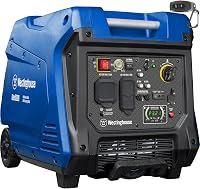
The Westinghouse provides 120/240V output and has an L14-30R transfer-switch-ready receptacle. Its running output differs by fuel, so compare the pump’s demand against the figure for the fuel you expect to use.
The WEN DF475T also offers selectable 120V or 240V output and electric start. Its running capacity is lower than the Westinghouse’s, so check the pump and other loads carefully.
The WEN GN5600 is a 120V-only option. It may suit a compatible 120V pump and load, but it won’t serve a 240V pump circuit.
What safety steps matter when powering a well pump?
Run the generator outdoors, far from doors, windows, and vents, and follow its manual. Never operate it indoors, in a garage, or in another enclosed space.
Carbon monoxide can build up quickly and can be deadly. Read how far a generator should be from the house and follow the generator maker’s placement guidance.
Use a licensed electrician for a hardwired pump connection and compatible transfer equipment. Keep cords and connections dry, and don’t overload the generator.
How should you choose a generator for a well pump?
For a generator for a well pump, choose by the pump’s starting surge, running watts, voltage, and the other loads you need at once. Confirm the connection method before buying or planning to use a portable unit.
Choose a 120/240V model only if its output and connection fit the pump setup. Choose a 120V-only model only for a compatible 120V pump and load.
If the pump’s requirements or wiring aren’t clear, have the pump maker or a licensed electrician confirm them.
Frequently asked questions
What size generator do I need for a well pump?
Choose a generator that meets the pump’s running watts and can supply its starting surge, along with the loads you plan to run at the same time. Check the pump manual or nameplate for watts, voltage, and startup requirements.
If it gives only amps, ask the pump maker or a qualified electrician to help interpret them.
Can a 5000 watt generator run a well pump?
It may run some well pumps, but the number alone isn't enough to tell. Compare the generator’s running and starting output with the pump’s running demand and startup surge, then account for other connected loads.
A pump’s voltage and connection method also need to match the generator setup.
Do well pumps need more power to start?
Many motor-driven pumps draw more power briefly when starting than while running. That startup surge can exceed a generator’s running-watt capacity even when the pump’s normal demand seems to fit.
Check the pump and generator specifications for starting watts, and avoid starting the pump with other large loads switched on.
Can I connect a well pump directly to a portable generator?
A well pump may be hardwired or connected through a dedicated circuit, so the safe method depends on the home’s electrical setup. Have a licensed electrician confirm a compatible transfer switch or other approved connection.
Never connect a generator to home wiring through a wall outlet or an improvised cord.