Propane vs Gas Generator: Which Fuel Is Better? (October 2026)
Gasoline gives you an onboard tank, while propane suits a plan built around stored cylinders. For a propane vs gas generator, compare local fuel supply, output at your chosen fuel, expected load and storage space.
On this page (9 sections)
- Propane vs gas generator: which fuel costs less?
- Which fuel stores better between outages?
- Which fuel gives longer runtime?
- Why does a dual-fuel generator make less power on propane?
- Are cold starts easier on gasoline or propane?
- How do you choose between these three generators?
- What setup and care does each fuel need?
- What safety steps apply to either fuel?
- Which fuel should you choose for an outage?
For a propane vs gas generator, choose gasoline when its rated output and onboard tank fit your outage plan, or propane when cylinder storage works better for your household. A dual-fuel model gives you both options, but its output may differ by fuel.
The Westinghouse 6500W Dual Fuel Home Backup provides 5300 running watts on gasoline and 4800 on propane. The WEN DF475T provides 3800 on gasoline and 3500 on propane, while the gas-only WEN GN5600 provides 4500 running watts.
Before choosing, make a list of the appliances you need, check their running and starting watts, then compare the generator's rating for the fuel you expect to use. Also consider where fuel will be stored, how often you can replenish it, and whether you need an RV or transfer-switch outlet.
 Best for flexible home backup
Westinghouse 6500W Dual Fuel Home Backup

Propane vs gas generator: which fuel costs less?
The cheaper fuel depends on local prices and how much the generator uses at your expected load. Compare the cost of a usable hour of power, not only the price of a gallon or cylinder refill.
A generator uses different amounts of fuel at different loads. Powering a refrigerator and a few lights is different from running several large appliances, so one general price comparison won't predict your outage cost.
The Westinghouse provides 5300 running watts on gasoline and 4800 on propane. The WEN DF475T provides 3800 on gasoline and 3500 on propane, so plan for the rating tied to the fuel you intend to use.
To compare operating costs, note local gasoline and propane prices and look for fuel-consumption figures for the model at a load close to yours. If you don't have comparable consumption information, don't assume equal volumes of gasoline and propane provide equal runtime or power.
Include the cost and effort of keeping fuel available. A propane cylinder may need to be bought or exchanged, while gasoline needs an approved container, safe storage and regular rotation.
Start with the appliances you want to power, then check their combined running watts and the largest starting demand. Our guide to choosing a generator by watts and fuel walks through that sizing decision.
Which fuel stores better between outages?
Propane suits an occasional-use plan when you can store cylinders safely; gasoline needs more attention during storage. Follow local rules, fuel instructions and the generator manual for either option.
Gasoline can degrade as it sits and may leave deposits in the fuel system. Use fresh fuel, add stabilizer when appropriate, and follow the manual for storage and carburetor care.
Don't leave untreated gasoline in the generator for months and expect an easy start. Rotate stored fuel on the schedule recommended by its manufacturer, and keep approved containers sealed and away from living spaces.
Propane in a sound cylinder can be stored for long periods without gasoline-style fuel rotation. Inspect the cylinder and connections, protect the valve, and follow cylinder, fire-code and local storage requirements.
Your storage space can settle the choice. If you don't have an approved outdoor place for cylinders or gasoline containers, plan another backup arrangement instead of storing fuel improperly.
A portable generator also needs a safe place to operate and a proper connection to home circuits. See our guide to portable vs standby generators if you are weighing a portable unit against a permanently installed backup system.
Which fuel gives longer runtime?
Runtime depends on the generator, load and amount of fuel available. Compare runtime figures only when they use similar loads and fuel conditions.
The Westinghouse has a 4.7-gallon gasoline tank and states up to 14.5 hours of runtime. It doesn't specify a load for that figure, so it isn't directly comparable to a half-load runtime claim.
The WEN DF475T has a 4-gallon tank and runs up to 11 hours at half load on gasoline. The gas-only WEN GN5600 has a 4.3-gallon tank and runs up to 12.5 hours at half load.
Treat these as planning references, not guarantees for every outage. Actual runtime changes with load, fuel and operating conditions, and appliances can cycle on and off throughout the day.
Propane runtime depends on the cylinder size and load. Keep a spare cylinder only if you can store it safely, and check the manual for compatible cylinder sizes and connection instructions.
Estimate the watts of your essential appliances before estimating fuel. Our guide to running watts and starting watts explains why motors can need extra power at startup.
Why does a dual-fuel generator make less power on propane?
The Westinghouse and WEN DF475T have lower running-watt ratings on propane than on gasoline. Check both ratings against your planned load, especially if an appliance has a high starting demand.
The Westinghouse is rated for 500 fewer running watts on propane: 4800 compared with 5300 on gasoline. The WEN DF475T is rated for 300 fewer, with 3500 on propane and 3800 on gasoline.
That difference matters when your planned load is close to the generator's limit. A refrigerator, sump pump or well pump may need extra power when its motor starts, so leave a margin instead of adding only running watts.
If a pump is essential during an outage, compare its starting and running needs with the generator's rating on your chosen fuel. See our guides for sizing a generator for a sump pump and sizing one for a well pump.
A gasoline-only model avoids choosing between fuel supplies, but it also removes propane as a backup option. The WEN GN5600 provides 4500 running watts on gasoline and has no propane option.
Are cold starts easier on gasoline or propane?
Neither fuel guarantees an easy start in cold weather. Temperature, fuel condition, engine maintenance and the manufacturer's starting procedure all affect the result.
Propane must vaporize before it reaches the engine. Very cold conditions and high demand can reduce vaporization, particularly when a cylinder is small or nearly empty.
Gasoline can also cause trouble if it has been sitting, if stale fuel remains in the carburetor, or if you skip the manual's cold-start steps. Fresh fuel and routine maintenance matter more than assuming one fuel always starts more easily.
Store the generator according to its manual and run it periodically as the manufacturer allows. When changing fuel, follow the required shutdown and changeover steps instead of changing the supply while the engine is running.
Set the generator outdoors, away from doors, windows and vents, and follow the clearance in its manual. Our guide covers how far a generator should be from the house.
How do you choose between these three generators?
Choose a dual-fuel generator when you want a choice of fuel; choose the gas-only model when gasoline output and runtime match your plan. Compare outlets, starting features and fuel-specific output before settling on a model.
The Westinghouse provides 5300 running watts on gasoline and 4800 on propane. Its 4.7-gallon tank, fuel gauge and included propane hose support either fuel plan.
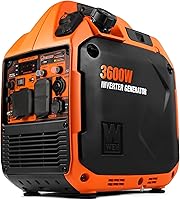
The DF475T provides 3800 running watts on gasoline and 3500 on propane. It includes a 47-inch LPG hose and switches between 120V and 240V.
The GN5600 has a 4.3-gallon gasoline tank and an RV-ready outlet. It doesn't offer propane as a fuel option.
The Westinghouse fits a household that values fuel choice and needs its higher output, provided the propane rating still covers the planned load. Skip it if you need a smaller unit or cannot store and use either fuel safely.
The DF475T suits someone who wants a key start and the flexibility to use LPG, with lower output than the Westinghouse. Skip it if your appliances need more than its fuel-specific rating or you want the highest output of these three.
The GN5600 is for buyers who have settled on gasoline and need 4500 running watts, including RV users whose connection needs match its outlet. Skip it if propane backup is important or gasoline storage is not practical.
What setup and care does each fuel need?
Set up the generator on level ground outdoors, then follow its manual for oil, fuel, connections and operation. Prepare the fuel supply and electrical connections before an outage, not during one.
For gasoline, use the specified fuel and an approved container, keep the storage area away from living spaces and ignition sources, and rotate the supply as directed. Shut the generator down and let it cool before refueling.
For propane, inspect the cylinder, hose and fittings before connecting them. Keep the cylinder upright and outdoors as instructed, and use only the connections and cylinder sizes permitted by the generator manual.
Check oil before operation and follow the maintenance schedule for the engine. Keep the generator clean, inspect cords and connections, and run it periodically only as directed by the manufacturer.
A common mistake is planning from the gasoline rating, then switching to propane when gasoline runs short without checking the lower propane output. Another is assuming a dual-fuel unit can use both supplies at once; choose one fuel and follow the manual's changeover procedure.
What safety steps apply to either fuel?
Operate a portable generator outdoors and follow its manual for fuel handling, connection and clearance. Carbon monoxide can build up indoors or in partly enclosed spaces.
Never run a generator in a home, garage, shed or other enclosed area, even with doors open. Keep it away from openings where exhaust could enter, and install working carbon monoxide alarms in the home.
Shut the generator down and let it cool before refueling. Keep gasoline and propane away from flames, sparks and hot surfaces, and follow the fuel container or cylinder instructions.
Use outdoor-rated extension cords or a properly installed transfer switch. Never connect a generator to a household outlet with a male-to-male cord, which can send power back into utility lines and create a serious hazard.
The Westinghouse has a CO sensor with automatic CO shutdown. That feature doesn't change where the generator can safely operate.
Which fuel should you choose for an outage?
Pick gasoline if its rated output and onboard tank fit your plan; pick propane if safe cylinder storage and supply fit your household better. Choose dual fuel if you can prepare for both and want another option when one supply is unavailable.
Choose gasoline when you can rotate stored fuel safely and the gasoline rating covers your load. Check runtime at the expected load, then plan for refills and safe storage.
Choose propane when you can store cylinders in an approved location and want to avoid gasoline-style fuel rotation. Confirm that the generator's propane output is enough for your most important appliances.
For an RV, check the generator outlet type and your RV's electrical needs before choosing a fuel. Our guide to sizing a generator for a 30-amp RV covers the wattage side of that decision.
A dual-fuel generator gives you a choice only if you can keep both supplies safe and usable. Use the gasoline rating when planning for gasoline and the propane rating when planning for propane.
Which is better: propane vs gas generator?
Choose gasoline when its rated output, onboard tank and refill plan meet your needs; choose propane when cylinder storage suits your household. If both fuels work for you, choose a dual-fuel model whose rating on each fuel covers your essential appliances.
Frequently asked questions
Is propane or gasoline better for a generator?
Gasoline provides more running watts on the Westinghouse and WEN DF475T models here, while propane suits a fuel plan built around stored cylinders. Choose based on the generator's output at your intended fuel, the appliances you need, and the supply you can keep safely available.
Compare local fuel access and storage rules before deciding.
Does a generator run longer on propane or gas?
Runtime depends on the generator, fuel amount, load and conditions. The WEN DF475T runs up to 11 hours on its 4-gallon gasoline tank at half load, while the Westinghouse states up to 14.5 hours without specifying a load.
Compare figures only when their conditions match.
Does propane lose quality while stored?
Propane can stay stored in a properly maintained cylinder for a long time, while gasoline can degrade and may need stabilizer and rotation. Check cylinder condition, storage rules and the generator manual before setting up either fuel plan.
Never keep fuel indoors or near ignition sources.
Will propane start a generator in cold weather?
Cold weather can make propane harder to vaporize, especially when a small or low cylinder supplies a high load. Gasoline can also cause cold-start trouble if it is old or the engine is not maintained.
Follow the manual's temperature and starting instructions.
Can a dual-fuel generator use both fuels at once?
The Westinghouse and WEN DF475T let you choose gasoline or LPG. Plan to operate on one fuel source at a time, and follow the manual's shutdown and changeover steps when switching supplies.