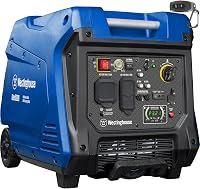
How to Choose a Generator: Watts, Fuel and Features
To choose a generator, match its running watts and starting watts to the appliances you need at the same time. Then check fuel, outlets, runtime, portability, safe placement and connection requirements.
On this page (8 sections)
- How do you choose a generator by wattage?
- Which generator fuel should you choose?
- What outlets and starting features should you compare?
- How to choose a generator for home backup
- Which generator type suits camping, RV use or electronics?
- How should you set up and care for a generator?
- What common generator buying mistakes should you avoid?
- How do you make the final generator choice?
To learn how to choose a generator, start with the appliances you need to run together and match their running watts and startup surges. Then choose the fuel, outlets and size that fit your location, connection plan and routine.
Write down what matters during an outage, camping trip or RV stay. Your list might include a refrigerator, lights, a pump, communications equipment or an air conditioner, but only count items you expect to use at the same time.
A generator that is too small can overload when a motor starts. A much larger unit can take more room and planning than your needs justify, so size the generator around a realistic load list.
How do you choose a generator by wattage?
Choose enough running watts for the combined steady load and enough starting watts for the largest motor surge. Refrigerators, pumps and air conditioners may briefly need more power to start than they use while running.
Add the running watts of the appliances you plan to operate together. Then check the starting requirement for each motor-driven appliance and account for the largest surge while the other planned loads are already running.
| Load to check | What to find | Why it matters |
|---|---|---|
| Appliances used together | Running watts for each item | Sets the steady load |
| Motors and compressors | Starting watts or surge needs | Can briefly increase demand |
| Generator output | Rated or running watts and peak or starting watts | Shows steady capacity and short surge capacity |
Check appliance labels or manuals for wattage. If a label gives amps and volts instead, consult the appliance maker or a qualified electrician about the power requirement.
Don't choose based only on the generator's biggest advertised wattage. Read starting watts vs running watts to understand which number matches your steady load, and use what a 5000 watt generator can run as a size example.
How to choose a generator for the appliances you need
Start with essential loads and decide which ones must run at the same time. If you can switch appliances on one at a time, you may need less capacity than if everything runs together.
A refrigerator's startup demand matters along with its regular draw. See how to size a generator for a refrigerator for the specific information to check.
Pumps and heating equipment can change the size you need. Review generator sizing for a sump pump or whether a portable generator can run a furnace before settling on a wattage target.
Allow some headroom so normal changes in load do not push the generator right to its limit. But don't add appliances you have no plan to run just to justify a larger model.
Which generator fuel should you choose?
Choose fuel based on what you can store and operate safely, then compare output and runtime on that fuel. Dual fuel gives you a choice, but gasoline and propane figures can differ on the same generator.
Gasoline is widely used, but it requires safe storage and can become stale. Propane uses approved cylinders, which some households already keep for other equipment; check the generator's fuel-specific output and the manual's connection instructions.
Think through a typical outage before deciding. Consider whether you can refuel easily, how much fuel you can store safely, and whether you'll need to switch fuels while operating.
Read propane vs gas generators for a closer look at the trade-offs. Follow the owner's manual for approved fuel, fuel connections, storage and maintenance.
What outlets and starting features should you compare?
Compare outlet type, voltage and amperage with the devices and approved connection equipment you plan to use. A generator's wattage alone does not tell you whether a particular cord or RV inlet will fit.
Check the control panel for household receptacles, RV outlets and transfer-switch-ready outlets if those match your plans. Never force a connection with an improvised adapter; ask an electrician or the generator maker if you're unsure which connection is appropriate.
Starting method affects day-to-day use. Recoil starting is manual, while electric and remote start can reduce effort, but electric-start systems need a charged battery and the setup described in the manual.
Runtime figures only help when you compare the stated load conditions. A runtime at a quarter load cannot be treated as the runtime at full output, and your actual load and operating conditions affect refueling intervals.
Portability is more than the presence of wheels. Check the unit's weight, handles, storage space and the path from storage to its operating spot before buying.
How to choose a generator for home backup
For home backup, size the generator around the essential appliances you plan to power and decide how an electrician will connect it. A transfer-switch-ready outlet is a useful connection feature, but it does not make the installation complete or safe by itself.
The Westinghouse 12500W Dual Fuel Home Backup has a 6.6-gallon gasoline tank, a fuel gauge and a stated runtime of up to 12 hours. Its remote, electric and recoil starting options offer flexibility, while the VFT display shows voltage, frequency and lifetime hours.
Choose it when your load list needs more output and you have room to manage a larger portable unit. Skip it if your needs are limited to a few small devices or if storing and moving a large generator would be difficult.
Plan for a safe connection before the outage. Ask a licensed electrician about a transfer switch or another approved method, and never plug a generator into a household wall outlet.
A generator can power different combinations of appliances depending on their starting demands. For household planning, compare how many watts you need to run a house and portable generators for home use.
Which generator type suits camping, RV use or electronics?
An inverter generator can fit travel and smaller loads when its rated output covers your needs. Look at the running watts, RV outlet, weight and fuel choices together instead of choosing by surge watts alone.
The WEN DF360iX weighs 49 pounds and has two 120V receptacles, a 12V DC receptacle and two USB ports. It also includes a CO shutdown sensor and a fuel shut-off feature that uses remaining fuel in the carburetor before shutdown.
Choose the WEN for a lighter dual-fuel setup with modest power needs. Skip it if your appliance list needs more than its rated output or if you need a larger home-backup connection.
The Champion 4500-Watt inverter provides 3500 running watts on gasoline and 3150 on propane. It has a 120V 30A RV outlet, electric start, CO Shield automatic shutdown and an optional parallel kit for connecting another Champion inverter.
Choose the Champion if your RV or campsite needs more capacity than the WEN provides and you value electric start. Skip it if you need a light one-person carry: its stated weight is 99.2 pounds.
The Generac GP3300i provides 2500 running watts and 3300 starting watts on gasoline. It weighs 59.5 pounds and has two household outlets, one 120V 30A twist-lock outlet, two USB-A ports and a CO shutdown system.
Choose the Generac if your load is modest and you want a gasoline inverter with household outlets and USB charging. Skip it if propane operation is important or your plan needs more than 2500 running watts.
Before choosing any of these models, compare your appliance list to the model's output on the fuel you intend to use. For more compact options, see our guide to best small portable generators.
How should you set up and care for a generator?
Set up a generator outdoors in a location that follows the manual and CPSC guidance, far from doors, windows and vents. Carbon monoxide can be deadly, and an automatic shutdown sensor does not make indoor use safe.
Before the first start, read the manual, assemble any required parts, add the specified oil and check the fuel and starting instructions. Keep the generator level on a stable outdoor surface, and use only the cords and connections approved for the load.
Keep fuel away from heat and ignition sources, and let the generator cool as directed before refueling. Never refuel a running or hot generator.
Routine care helps keep a generator ready for the next use. Follow the manual's oil, air filter, spark plug, fuel storage and exercise schedule, and keep a record of service hours if the unit has an hour meter.
For outlet planning, read what extension cord you need for a generator. For safe placement around the home, see how far a generator should be from the house.
What common generator buying mistakes should you avoid?
The most common mistake is buying around peak watts alone. Compare running watts first, then check starting capacity for motors that need a brief surge.
Other mistakes can make a suitable generator frustrating or unsafe:
- Ignoring fuel-specific output: A dual-fuel generator may have different wattage and runtime on gasoline and propane.
- Assuming outlets are interchangeable: Match voltage, amperage and receptacle type to the device or approved connection.
- Treating an RV outlet as a home connection: Home wiring needs an approved connection method reviewed by a licensed electrician.
- Buying for every possible appliance: Count only the loads you plan to run together, then leave sensible headroom.
- Skipping the weight check: Confirm you can move the generator from storage to its outdoor operating location.
- Relying on a CO sensor alone: Safe outdoor placement and distance from openings remain essential.
- Waiting until an outage to learn the controls: Read the manual and learn the start, stop and refueling steps before you need backup power.
How do you make the final generator choice?
Choose the smallest generator that covers your planned simultaneous load and its largest startup surge, then confirm fuel, outlets and safe placement. Your use case should decide which features are worth carrying and maintaining.
- Choose the Westinghouse for a higher-output home backup plan that needs gasoline or propane and a professionally reviewed connection.
- Choose the WEN for a lighter dual-fuel inverter setup with modest camping or RV loads.
- Choose the Champion for more RV output, electric start and an optional path to add another compatible inverter.
- Choose the Generac for a gasoline-only plan where 2500 running watts, compact weight and USB charging fit your needs.
Skip any model whose outlet, fuel or rated output does not fit your plan, even if its peak wattage looks appealing. To choose a generator confidently, check each appliance's requirements, decide what will run together and verify the installation and operating plan before buying.
Frequently asked questions
How do I choose the right size generator?
List the appliances you want to run at the same time and add their running watts. Then account for the largest startup surge, which can come from a motor such as a refrigerator, pump or air conditioner.
Choose a generator with enough running capacity for the combined steady load and enough starting capacity for that surge.
Check each appliance label or manual.
Should I choose a gas or dual fuel generator?
Choose gasoline if you can store and use it safely and the generator's gasoline output and runtime suit your plan. Dual fuel adds propane as another operating option, which can help if you already use approved propane cylinders.
Compare the unit's output and runtime on each fuel.
They may differ.
Is an inverter generator better for home backup?
An inverter can suit smaller loads, travel and sensitive electronics when its rated output covers your needs. A larger portable generator may be a better fit when several home appliances or circuits need more power.
Compare wattage, outlets, noise information and portability.
Ask a licensed electrician about a safe home connection.
What generator safety features should I look for?
Look for features such as automatic carbon monoxide shutdown, covered outlets, low-oil shutdown and GFCI outlets where appropriate. Read the manual to understand how each feature works and what maintenance it needs.
These features do not replace safe placement.
Run a portable generator outdoors, far from doors, windows and vents, and follow CPSC guidance.
Can I connect a generator directly to my home's wiring?
Do not connect a portable generator to home wiring with a cord plugged into a wall outlet. That can send power back through utility lines and create a serious hazard.
Ask a licensed electrician about a transfer switch or another approved connection for your home.
Follow the generator manual and local electrical rules.