Portable Generator vs Standby Generator: Which Is Better? (October 2026)
Choose a portable generator for flexible, lower-commitment backup; choose a standby generator for automatic, fixed home backup. Your budget, outage needs, installation plans and willingness to manage fuel decide which fits.
On this page (10 sections)
- Portable generator vs standby generator: what is the difference?
- Which option is easier during a power outage?
- How much of the home can each generator power?
- What does installation involve?
- Which has the lower total cost?
- How do fuel and maintenance differ?
- When does a portable generator make more sense?
- When does a standby generator make more sense?
- Which generator fits your home?
- Related guides
Choose a portable generator for flexible, lower-commitment backup; choose a standby generator for automatic, fixed home backup. In a portable generator vs standby generator comparison, your outage priorities, budget and installation plans matter more than the label.
A portable unit can serve selected circuits or appliances when you set it up and connect it through approved equipment. A standby system stays installed outside and can start automatically when utility power fails, depending on the system and installation.
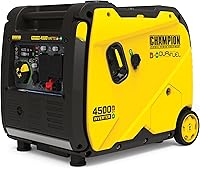
For a portable option, {{product B07Q1DLKBG | Its 9500 running watts on gasoline and gasoline or propane operation suit a plan for several selected home loads.}}
Portable generator vs standby generator: what is the difference?
A portable generator is moved and managed as needed; a standby generator is a fixed system designed for automatic backup. The choice affects where the equipment sits, how power reaches your home and what you do during an outage.
Portable models run outdoors and need an approved connection plan if you want to power home circuits. Standby systems require a permanent installation, including appropriate transfer equipment and work on the home's electrical system.
How does a portable generator supply home power?
A portable generator produces electricity at its outlets. You can use suitable extension cords for compatible appliances, or ask a licensed electrician about transfer equipment for selected circuits.
The capacity you need depends on which loads you want to run together. Our guide to calculating home generator wattage helps you list running watts and account for appliances with higher starting needs.
A portable unit doesn't become a whole-home system just because it has a large wattage number. Your circuit plan, generator output and transfer equipment all limit what you can power at once.
How does a standby generator supply home power?
A standby generator is installed outdoors and connected to the home's electrical system through transfer equipment. A compatible system can detect an outage and start without you moving fuel or equipment into place.
The installation is planned around the circuits or loads you want covered. Ask installers what the proposed system will power, how it starts, what fuel it uses and what service it needs.
Standby systems can differ in capacity and features. This comparison treats them as a general category, so confirm the details for any system you consider.
Which option is easier during a power outage?
Consider who will operate the system and whether you can prepare it safely during bad weather or after dark.
With portable backup, you need to move or position the generator outdoors, start it, connect it properly and monitor fuel. Keep it outdoors and far from doors, windows and vents; follow the manufacturer's manual and CPSC generator safety guidance.
A standby system can start automatically if the equipment is designed and installed for that function. You still need routine maintenance and a clear understanding of which circuits receive backup power.
If you expect to use a generator during frequent outages or when nobody is home, automation may carry extra value. If outages are rare and you can manage setup, portable backup may be enough.
How much of the home can each generator power?
Neither type guarantees power for every appliance; match the system's running and starting capacity to the loads you choose. A larger system can support more equipment, but your actual circuit plan determines what runs together.
Start with essential loads such as refrigeration, lights, communications and heating controls. Add larger motors and appliances only after checking their starting and running watt needs.
A refrigerator may draw more power when its compressor starts than while it runs. Use our refrigerator generator sizing guide to account for that difference.
For a sump pump, well pump or furnace, check its exact requirements and whether it can be connected through your chosen setup. Our guides to sump pump generator sizing, well pump sizing and running a furnace with a portable generator cover those specific loads.
Portable units often require you to prioritize. A standby system can be sized for broader coverage, but don't assume it powers every circuit without confirming the design with the installer.
What does installation involve?
Portable backup needs safe placement and a suitable way to connect chosen loads; standby backup needs a permanent professional installation. Include the electrical work and site requirements in your comparison, not only the generator itself.
For a portable generator, a licensed electrician can assess whether a transfer switch or other approved equipment fits your panel and intended circuits. The electrician can also confirm compatibility and explain how to operate the system safely.
A standby installation typically involves selecting a location, connecting the unit to a fuel source and installing transfer equipment. Local rules and site conditions can affect the work, so get a written scope from a qualified installer.
Never connect a generator to a home outlet in an attempt to energize the house wiring. Have a licensed electrician design a safe connection that prevents power from flowing back onto utility lines.
Which has the lower total cost?
Portable backup often has a lower upfront commitment; standby backup adds installation and ongoing service costs. The best value depends on how often you lose power and what convenience is worth to you.
With a portable unit, account for the generator, approved connection equipment, fuel storage and any electrician's work. You may also need a suitable place to store it when it's not running.
A standby system includes the generator and a permanent installation. Fuel-line work, electrical changes, permits and service needs can add to the total, depending on your home and location.
Request estimates based on the same circuit coverage and fuel assumptions. A lower initial price isn't a fair comparison if one option supports fewer loads or requires more work each time you use it.
How do fuel and maintenance differ?
Both types need a fuel plan and regular maintenance; the exact routine depends on the model and fuel system. Think about fuel availability during a regional outage, storage, runtime and service access.
Portable generators may run on gasoline, propane or both. Gasoline needs safe storage and periodic replacement, while propane requires compatible cylinders or a supply plan; our propane vs gas generator comparison covers the trade-offs.
A standby system may use a home's natural gas supply or another fuel arrangement, depending on the equipment and property. Confirm expected runtime and fuel needs with the installer rather than assuming the supply will remain available throughout a long outage.
Follow the owner's manual for service intervals, checks and storage. A standby system's automatic start doesn't remove the need to keep it maintained and ready.
When does a portable generator make more sense?
Choose portable backup when you want flexibility, selected-load coverage or a smaller installation commitment. It can also make sense if you may use the generator away from home, provided the model suits that use.
Portable generators come in a range of output levels. A 6,500 peak watt option may support a focused essentials plan, while a larger unit can cover more loads if their combined demand fits.
A higher-output portable unit may help when several large household loads matter. The Westinghouse 13500W Dual Fuel has 10,500 running watts on gasoline, remote and electric starting, and a CO sensor that shuts it down when raised carbon monoxide is detected.
Portable generators still require safe outdoor operation. Review how far a generator should be from the house and follow the exact manual before choosing a location.
When does a standby generator make more sense?
Choose standby backup when automatic operation and broader fixed coverage matter enough to justify installation. It can suit homes with frequent outages, critical equipment or occupants who may not be able to set up a portable unit.
The main benefit is readiness without moving a generator into position or starting it by hand. A properly sized system can also be planned around multiple circuits, subject to its capacity and installation design.
Standby isn't the right fit for every property. Installation space, fuel access, local requirements and budget may rule it out, and you still need a maintenance plan.
If you are comparing standby options, ask the installer to specify backed-up circuits, fuel use, expected runtime, automatic start behavior and service requirements. Those details make estimates easier to compare.
Which generator fits your home?
Pick portable if you can manage safe setup and want flexible backup for chosen loads; pick standby if automatic operation and fixed coverage justify professional installation. First decide which appliances matter, then compare systems that can support them.
For a portable plan, estimate combined running watts and starting surges, then confirm the electrical connection with a licensed electrician. Start with our portable generators for home use guide if you want to compare portable sizes and features.
For a standby plan, get an installer to map the circuits and fuel requirements before choosing a system. The right choice is the one that covers your priority loads and fits how you can safely use and maintain it.
Related guides
- How many watts do you need to run a house?
- How far should a generator be from the house?
- Portable generators for home use
- Propane vs gas generators
Frequently asked questions
What is the main difference between a portable and standby generator?
A portable generator is a movable unit that you position and start when needed, while a standby generator is installed in a fixed outdoor location and can start automatically when utility power fails. Both need a safe connection plan and enough capacity for the loads you want to support.
Can a portable generator power a whole house?
A portable generator can support several home circuits if its running output, starting output and connection setup match those loads. It may not cover everything at once.
Add the watt needs of the appliances you plan to use and ask a licensed electrician about an approved connection.
Does a standby generator turn on by itself?
Many standby systems are designed to start automatically after a power interruption when installed with compatible transfer equipment. Exact operation depends on the system and installation, so confirm the equipment, circuit coverage and maintenance needs with the installer.
Can you connect a portable generator to home wiring?
A portable generator can supply selected home circuits through properly installed transfer equipment. Have a licensed electrician determine the right setup for your panel and generator.
Never connect a generator to household wiring with a cord plugged into a wall outlet.
Which generator is easier to use during an outage?
A standby system is usually easier at the moment power fails because it can start automatically, while a portable generator requires you to position, start and manage it. Portable units can cost less to install, but you need a safe operating location and a fuel plan.