Can a Portable Generator Run a Furnace?
Yes, a portable generator can run many furnaces, if it can supply the furnace and blower’s running watts and startup surge. Hardwired furnaces need a safe, code-compliant connection installed by a licensed electrician.
On this page (8 sections)
- Can a portable generator run a furnace?
- How do you size a generator for a furnace?
- How do you connect a generator to a hardwired furnace?
- Which generator features matter for furnace backup?
- Can a generator run a furnace and other appliances?
- Where should you run a portable generator?
- What should you do before an outage?
- Is a portable generator the right furnace backup?
Yes, a portable generator can run many furnaces if it supplies the furnace and blower’s running power and startup surge. If your furnace is hardwired, a licensed electrician must install a safe, code-compliant connection.
The key is to check the furnace’s electrical requirements, then account for the other appliances you want to run. A generator that can power lights or a refrigerator may still be too small for a furnace blower’s startup demand.
Can a portable generator run a furnace?
Yes, if the generator can handle the furnace’s running load and startup surge. The exact requirement depends on the furnace and blower, so check the furnace nameplate and manual instead of choosing by furnace type alone.
A gas furnace still needs electricity for its controls and blower. A generator won’t heat the home by itself, and it won’t make an electric furnace practical unless the generator can supply its much larger electrical load.
For a broader estimate of home loads, see how many watts you need to run a house. For a wider look at backup options, our portable generators for home use guide explains what to consider for household backup.
How do you size a generator for a furnace?
Use the furnace’s electrical requirements and the generator’s running and starting watt ratings. The generator needs to cover the furnace load while also handling startup demand and any other devices running at the same time.
Look for watts or amps on the furnace nameplate, and check the manual for startup requirements. If the label gives amps, voltage and circuit details matter for converting that figure into a power estimate.
Ask an electrician to confirm the load if you’re unsure.
Generator labels often show both running watts and starting watts. Running watts describe power available continuously; starting watts describe a temporary higher output for motor startup.
Our guide to starting watts vs. running watts explains the difference.
What if the furnace label only gives amps?
Use the furnace manual or ask an electrician to interpret the rating. A simple amps-times-volts estimate can help with a basic load, but it may not account for startup demand or how the furnace circuit is designed.
Don’t assume that a breaker size is the furnace’s normal power draw. It describes circuit protection, not necessarily what the furnace uses while running.
Can a smaller generator run only the furnace?
It may, if its output meets the furnace’s requirements and its connection is suitable. Running only the furnace leaves more generator capacity for startup than adding a refrigerator, sump pump, or several other loads.
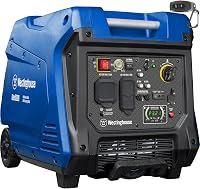
A small inverter generator can be a fit for limited loads, but its wattage must match the furnace. For example, the Westinghouse iGen2550 Inverter produces 1,900 running watts and 2,550 peak watts, so compare those figures with the furnace’s stated needs before considering it.
Don’t treat “peak” or “starting” watts as power available continuously. If you want to run additional household loads, add their running needs and startup demands before choosing a generator.
How do you connect a generator to a hardwired furnace?
Have a licensed electrician install the connection for a hardwired furnace. The electrician can select an approved transfer switch or other code-compliant method that fits the home and furnace circuit.
Don’t connect a generator to a furnace circuit yourself. Never use a male-to-male cord or feed generator power through a wall outlet, which can send electricity back toward utility lines and create a serious hazard.
If your furnace already has a suitable plug, check its manual and the generator instructions to confirm compatibility. Keep connections dry and use equipment rated for the load.
What should you ask an electrician?
Ask what generator output and transfer equipment your furnace requires. Share the furnace model, nameplate information, and the other loads you hope to power.
You can also ask whether the planned generator connection supplies the right voltage and circuit protection. Have the electrician explain how to switch between utility and generator power safely.
Which generator features matter for furnace backup?
Prioritize enough running and starting watts, a compatible output, and a safe connection. Fuel choice, noise, portability, and carbon monoxide safety features matter too, but they don’t make an undersized generator suitable.
The Champion 4000W Dual Fuel RV Inverter provides 3,000 running watts on gasoline and 2,700 on propane, with 4,000 starting watts. Those figures can help you compare it with the furnace’s requirements, but they don’t guarantee compatibility.
The Champion has a CO Shield carbon monoxide auto shutoff system. A CO feature is an added safeguard, not a reason to run a generator indoors or near openings.
If you want another option to compare, the WEN 3600W RV Inverter (56360iX) supplies 2,900 rated watts and up to 3,600 surge watts. Check those ratings against your furnace, and confirm the connection with an electrician.
Does fuel choice change whether a generator can run a furnace?
Fuel choice affects the generator’s available output, so check the rating for the fuel you plan to use. A dual-fuel unit can have different running wattage on gasoline and propane.
For the Champion, the stated running output is 3,000 watts on gasoline and 2,700 watts on propane. Use the rating for your chosen fuel when comparing it with the furnace’s load.
Can a generator run a furnace and other appliances?
Yes, if its capacity covers the furnace and every other connected load, including startup surges. Add the loads you expect to use at the same time, and leave room for motors that start after the generator is already running.
A refrigerator or sump pump can add its own startup demand. See our guides to generator sizing for a refrigerator and choosing a generator for a sump pump before planning a shared backup setup.
If a load pushes the generator near its limit, choose which appliances matter most during an outage. Don’t run every appliance at once just because the generator has enough outlets.
Where should you run a portable generator?
Run it outdoors, far from doors, windows, and vents. Carbon monoxide can enter the home, so follow the generator manual and official safety guidance for placement and operation.
Never operate a generator in a home, garage, basement, or other enclosed or partly enclosed space. The CPSC’s generator safety guidance warns that generator exhaust contains carbon monoxide, which can be deadly.
Read how far a generator should be from the house before choosing a spot. Keep the generator away from openings and follow its manual’s clearance instructions.
What should you do before an outage?
Confirm the furnace load, generator capacity, connection, and outdoor location before you need backup power. Ask a licensed electrician to review any hardwired connection and keep the furnace and generator manuals easy to find.
Test the setup only according to the manufacturers’ instructions and with the approved connection in place. Keep fuel stored and handled as the manuals direct, and never refuel a hot generator.
Is a portable generator the right furnace backup?
For a generator for furnace backup, choose based on the furnace’s documented load, startup demand, and connection requirements. Pick a portable generator if those needs fit its output and an electrician can provide a safe connection.
If you want automatic backup or have larger household loads, compare portable and standby generators. For a portable unit, start with the home generator guide and have an electrician confirm the setup before an outage.
Frequently asked questions
Can a portable generator run a gas furnace?
Yes, many gas furnaces can run from a portable generator if its output covers the furnace controls, blower, and startup surge. Check the furnace nameplate and manual for electrical requirements.
A hardwired furnace needs a code-compliant connection installed by a licensed electrician.
How many watts does a generator need to run a furnace?
There isn't one wattage that fits every furnace. Check the furnace nameplate or manual for running amps or watts, then account for the blower's startup demand and any other loads you plan to run.
Have an electrician confirm the requirements if the information is unclear.
Can I plug a furnace into a portable generator?
Only if the furnace has an appropriate plug and the generator connection is compatible with its electrical requirements. Many furnaces are hardwired and need a transfer switch or other approved connection installed by a licensed electrician.
Never improvise a connection or feed power through a household outlet.
Can a generator run a furnace and refrigerator at the same time?
Possibly, if the generator can handle both appliances' running loads and the startup surge when either motor starts. Check each appliance's nameplate and manual, then add the loads.
A generator sized for the furnace alone may not have enough spare capacity.